Egypt Traditional Holidays - Festivals and Celebrations
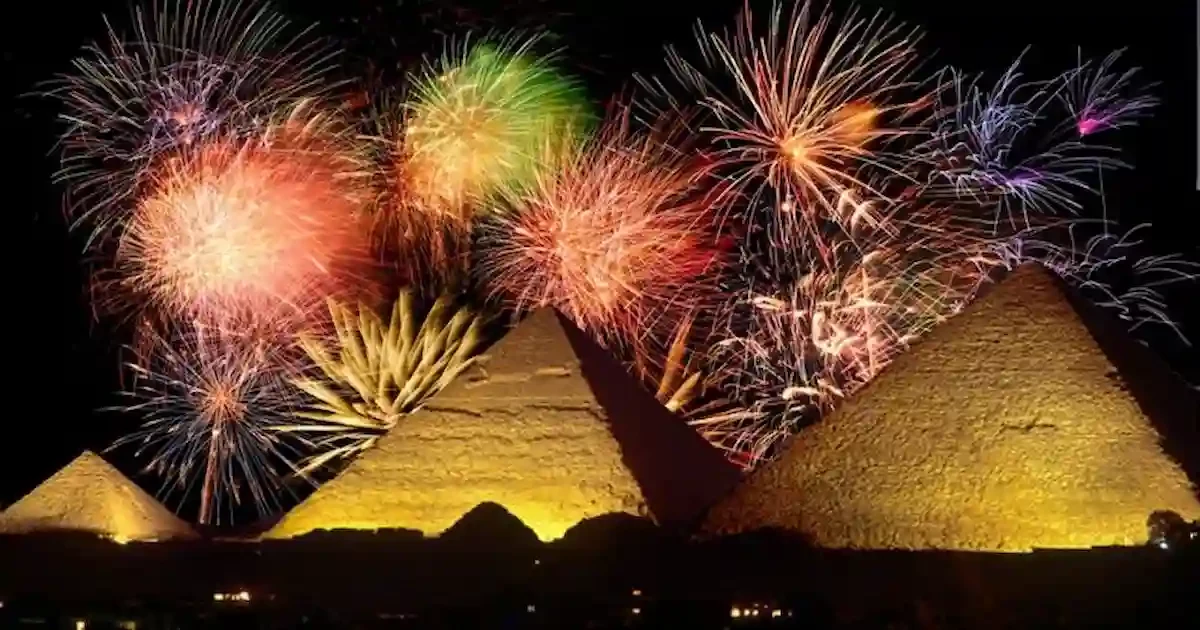
As the sun sets over the Nile, colorful lanterns begin to glow in Cairo's historic streets.
Families gather around beautifully prepared tables, children laugh in lively squares, and the aroma of freshly baked bread and traditional sweets fills the evening air.
Across Egypt, holidays are far more than dates on a calendar—they are moments when history, faith, family, and community come together in unforgettable ways.
Understanding Egypt Traditional Holidays allows travelers to experience the country beyond its famous monuments. These celebrations reveal the customs, beliefs, and traditions that have shaped Egyptian life for centuries.
Whether you're visiting during Ramadan, Sham El-Nessim, Coptic Christmas, or a national celebration, each festival offers a unique glimpse into Egypt's vibrant culture.
If you're planning one of our Egypt Tour Packages or exploring the country aboard one of our elegant Nile Cruises, timing your journey around a traditional holiday can make your experience even more memorable.
This guide explores the most important Egypt Traditional Holidays, their fascinating origins, local customs, and practical tips for travelers who want to experience Egypt's celebrations with respect and authenticity.
Table of Contents
Understanding Egypt Traditional Holidays
Why holidays are central to Egyptian culture
Ancient and modern influences
The Most Famous Festivals and Public Holidays in Egypt
National celebrations
Ancient seasonal festivals
Religious Celebrations and Holiday Traditions in Egypt
Islamic holidays
Christian celebrations
Experiencing Egypt's Traditional Holidays as a Traveler
Travel Tips for Visiting Egypt During Festivals
Understanding Egypt Traditional Holidays and Their Cultural Significance
Egypt's rich calendar of celebrations reflects thousands of years of history.
Ancient Pharaonic customs, Islamic traditions, Christian heritage, and modern national events all contribute to a fascinating cultural tapestry that continues to shape everyday life.
For visitors, learning about Egypt Traditional Holidays adds depth to every journey. Rather than simply admiring temples and museums, you'll begin to understand the customs and traditions that connect modern Egyptians with their remarkable past.
A Blend of Ancient and Modern Traditions
One of the most fascinating aspects of Egypt holidays and traditions is the way different historical periods continue to influence modern celebrations.
Some holidays trace their origins back thousands of years to ancient Egypt, while others commemorate important religious events or milestones in the country's modern history.
This unique blend creates a calendar unlike anywhere else in the world.
A traveler may witness families enjoying a spring festival rooted in Pharaonic times one month and later experience the joyful atmosphere of Eid celebrations following Ramadan.
Throughout the year, these events showcase Egypt's remarkable ability to preserve tradition while embracing contemporary life.
Why Holidays Matter in Egyptian Society
For Egyptians, holidays are about much more than taking time away from work or school.
They are opportunities to:
Gather with extended family.
Visit friends and neighbors.
Share traditional meals.
Attend religious services.
Enjoy music, entertainment, and community events.
Strengthen cultural identity.
Hospitality plays a central role in almost every celebration.
Visitors are often welcomed warmly, offered food, and encouraged to participate in local customs.
This genuine sense of generosity is one of the reasons so many international travelers remember Egypt with such affection.
Public Holidays and National Celebrations
Throughout the year, Egypt observes numerous national holidays that commemorate significant historical events.
These include:
Revolution Day.
Sinai Liberation Day.
Armed Forces Day.
Labor Day.
Many visitors searching online for Egypt public holidays or how many public holidays in Egypt are surprised to discover that the calendar includes a combination of fixed national observances and religious holidays whose dates change according to the Islamic lunar calendar.
If you're researching official holidays in Egypt 2027, it's important to remember that Islamic holidays such as Eid al-Fitr and Eid al-Adha vary slightly each year based on the lunar cycle.
Planning your itinerary around these dates can provide unique cultural experiences, though popular destinations may also become busier during major holiday periods.
Celebrating Egypt Through Travel
Experiencing local festivals offers a completely different perspective on the country.
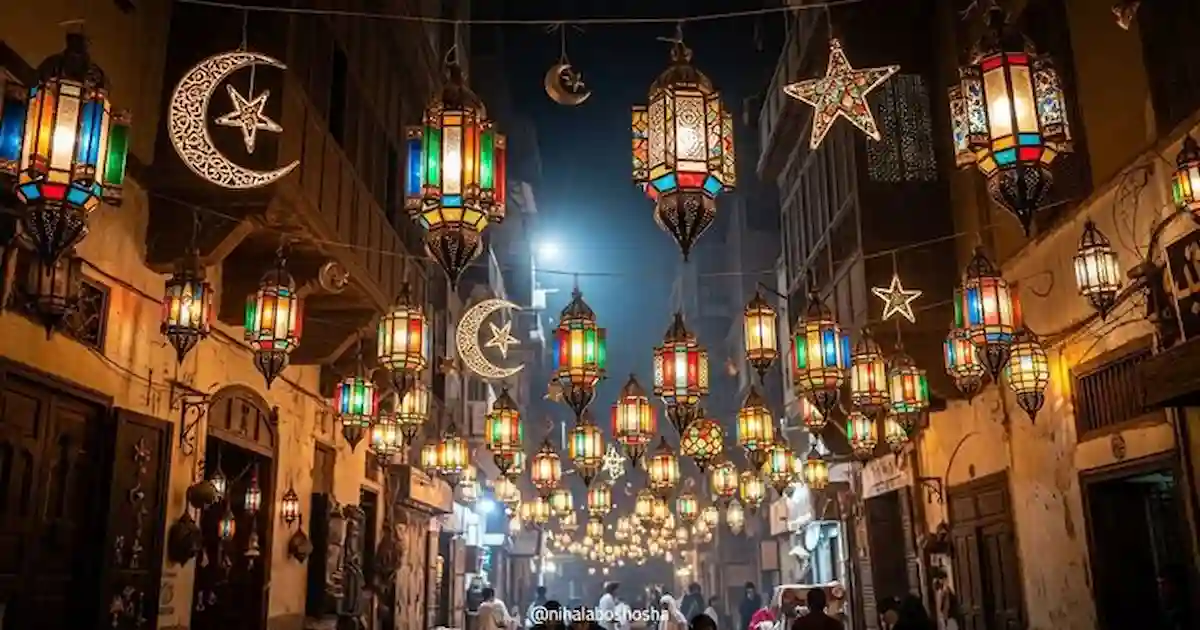
Imagine watching families gather along the Nile during Sham El-Nessim, strolling through Cairo's beautifully illuminated streets during Ramadan evenings, or hearing church bells ring during Coptic Christmas celebrations.
These moments reveal a side of Egypt that many visitors never expect.
Luxury Nile Cruises often coincide with seasonal celebrations, allowing guests to enjoy authentic cultural performances, traditional cuisine, and festive atmospheres while sailing along one of the world's most historic rivers.
Similarly, thoughtfully designed Egypt Tour Packages can be timed to include important festivals, giving travelers the opportunity to witness traditions that have been passed down through generations.
In the next section, we'll explore the most famous festivals in Egypt, from ancient spring celebrations and national holidays to joyful events that bring communities together across the country throughout the year.
The Most Famous Festivals and Public Holidays in Egypt
One of the greatest pleasures of traveling through Egypt is discovering that every season brings a different celebration. While the pyramids, temples, and tombs remain timeless, the country's festivals transform cities, villages, and riverside communities with music, family gatherings, traditional foods, and colorful decorations.
For visitors interested in Egypt Traditional Holidays, these celebrations offer an authentic glimpse into everyday Egyptian life that goes far beyond sightseeing.
Sham El-Nessim – Egypt's Ancient Spring Festival
Among the oldest and most beloved famous festivals in Egypt is Sham El-Nessim, a spring celebration whose origins date back to ancient Pharaonic times.
Celebrated on the Monday following Coptic Easter, Sham El-Nessim is observed by Egyptians of all backgrounds, regardless of religion.
Families traditionally spend the day outdoors, enjoying parks, gardens, and the banks of the Nile. Picnic baskets are filled with classic holiday foods such as:
Feseekh (salted fish)
Ringa (smoked herring)
Green onions
Lettuce
Colored eggs
For travelers, it's a wonderful opportunity to witness one of Egypt's oldest surviving traditions and experience the joyful atmosphere shared by families across the country.
Revolution Day
Observed on 23 July, Revolution Day commemorates the Egyptian Revolution of 1952, which marked the end of the monarchy and the beginning of modern republican Egypt.
Across the country, you'll find:
National ceremonies
Flag displays
Public celebrations
Cultural performances
Fireworks in some cities
Museums and historical attractions often remain open, making it an interesting day for visitors who want to learn more about Egypt's modern history.
Sinai Liberation Day
Celebrated each year on 25 April, Sinai Liberation Day honors the return of the Sinai Peninsula to Egyptian sovereignty.
The day is marked by official ceremonies and patriotic events, particularly in cities connected to the Sinai region.
While the celebrations are generally quieter than religious holidays, they remain an important part of Egypt's national identity.
Labor Day and Armed Forces Day
Like many countries, Egypt celebrates Labor Day on 1 May, recognizing the contributions of workers throughout the nation.
Another important national observance is Armed Forces Day, held on 6 October to commemorate the crossing of the Suez Canal during the 1973 October War.
Military parades, commemorative ceremonies, and public events are common throughout the country.
Egypt Public Holidays Throughout the Year
Travelers often search for questions like:
How many public holidays in Egypt?
Is it a holiday in Egypt today?
Is tomorrow a holiday in Egypt?
The answer depends on both the Gregorian calendar and the Islamic lunar calendar.
Egypt's annual holiday calendar includes:
National holidays with fixed dates.
Islamic religious holidays that change each year.
Christian celebrations observed by the Coptic community.
Because Islamic holidays follow the lunar calendar, their exact dates shift approximately ten to eleven days earlier each year.
Checking the official government holiday calendar before traveling is always recommended, especially if you're planning museum visits or transportation during major celebrations.
Experiencing Public Holidays as a Visitor
National holidays bring a lively atmosphere to Egypt's streets.
Popular attractions often remain open, though they may become busier with local families enjoying time together.
Many travelers appreciate the festive mood, which includes:
Traditional music
Local food vendors
Family gatherings
Decorative lighting
Evening celebrations along the Nile
If you're traveling with one of our Egypt Tour Packages, experienced guides can help you navigate holiday schedules while ensuring you experience the cultural highlights without unnecessary crowds.
Religious Celebrations and Holiday Traditions in Egypt
Religion has shaped Egyptian culture for thousands of years, and today's holiday calendar reflects the country's rich Islamic and Christian heritage.
These celebrations are deeply rooted in faith, but they also emphasize generosity, family, hospitality, and community—values that visitors quickly notice during their travels.
Understanding these holiday traditions in Egypt helps travelers appreciate local customs and engage respectfully with the communities they visit.
Ramadan – A Month of Reflection and Community
Ramadan is one of the most meaningful periods of the year in Egypt.
During this holy month, Muslims fast from dawn until sunset, focusing on prayer, charity, and spiritual reflection.
While daily routines may change, evenings come alive with an atmosphere unlike any other.
After sunset, families and friends gather for iftar, the meal that breaks the fast.
Restaurants, cafés, and hotels offer elaborate buffets, while streets are decorated with colorful fanous (traditional Ramadan lanterns).
For visitors, Ramadan offers a unique opportunity to experience Egypt's famous hospitality.
Many Nile Cruises feature special Ramadan dinners and cultural entertainment, allowing guests to enjoy authentic traditions in an elegant setting.
Eid al-Fitr – A Joyful Celebration
At the end of Ramadan comes Eid al-Fitr, one of the happiest Egyptian holidays and traditions.
The celebration begins with morning prayers and continues with family visits, festive meals, new clothing, and gifts for children.
Popular treats include:
Kahk (traditional butter cookies)
Biscuits dusted with powdered sugar
Dates
Assorted pastries
Parks, shopping districts, and public gardens become especially lively as families spend time together.
Travelers visiting during Eid should expect larger crowds at major attractions but will also enjoy an unforgettable festive atmosphere.
Eid al-Adha – The Festival of Sacrifice
Another significant Islamic holiday is Eid al-Adha, which commemorates the willingness of Prophet Ibrahim to sacrifice his son in obedience to God.
The holiday emphasizes compassion, charity, and sharing with others.
Many families prepare large meals and donate food to those in need, reflecting the spirit of generosity that defines Egyptian society.
Christmas Holiday Traditions in Egypt
One of the most fascinating aspects of Christmas holiday traditions in Egypt is that the majority of Egyptian Christians belong to the Coptic Orthodox Church.
As a result, Coptic Christmas is celebrated on 7 January rather than 25 December.
Preparations include a period of fasting, followed by a midnight church service on Christmas Eve.
After the service, families gather to enjoy festive meals featuring traditional dishes such as fatta, a flavorful combination of rice, bread, garlic, and meat.
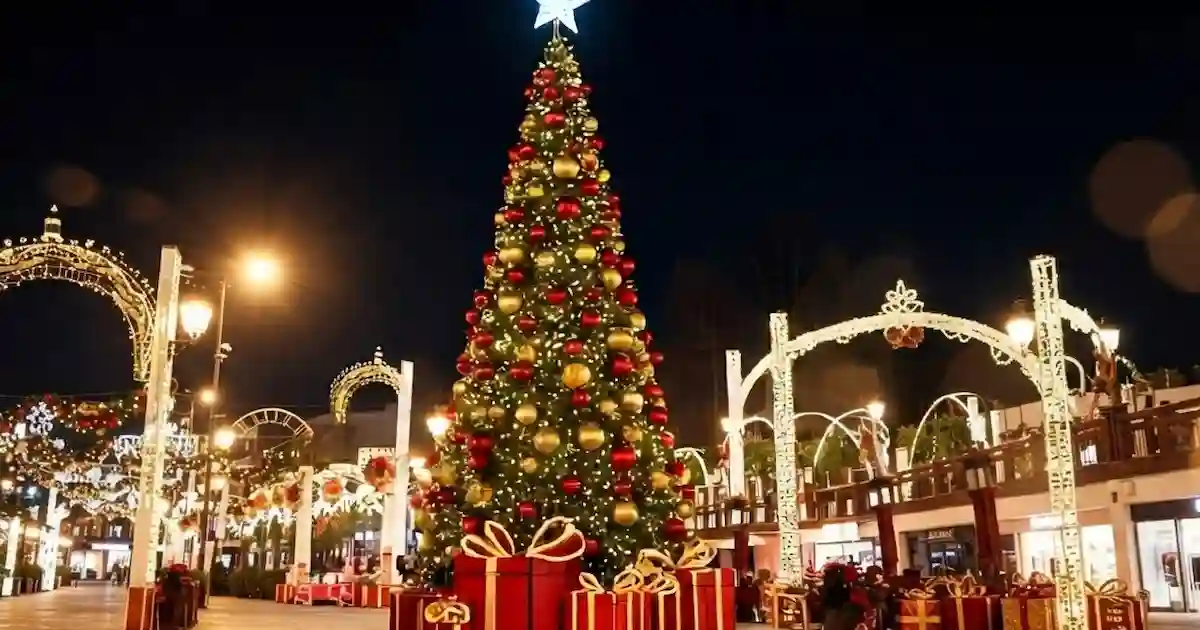
Cities with large Christian communities, including Cairo and Alexandria, are beautifully decorated during the Christmas season, creating a warm and welcoming atmosphere for visitors.
These celebrations highlight Egypt's remarkable cultural diversity and the peaceful coexistence of traditions that have shaped the country for centuries.
Whether you're strolling through illuminated streets during Ramadan or attending festive Christmas celebrations in January, experiencing Egypt traditional holidays and traditions offers unforgettable memories that enrich any journey through this remarkable country.
Experiencing Egypt's Traditional Holidays as a Traveler
Timing your visit to coincide with one of Egypt's traditional celebrations can transform a memorable vacation into an unforgettable cultural journey.
Beyond the iconic pyramids, temples, and museums, holidays reveal the rhythm of everyday Egyptian life.
Streets become more vibrant, homes open their doors to family and friends, and public spaces fill with music, laughter, and shared traditions.
For international visitors, these moments provide a rare opportunity to experience Egypt through the eyes of its people.
Join the Celebrations with Respect
One of the greatest strengths of Egyptian culture is its hospitality.
Visitors are often welcomed warmly, especially during festive occasions.
If you're invited to share a meal or join a family celebration, accepting the invitation with gratitude is a wonderful way to experience authentic Egyptian life.
A few simple gestures can help you show respect:
Dress modestly, particularly during religious holidays.
Ask permission before photographing people.
Learn a few Arabic greetings such as Eid Mubarak during Islamic holidays or Kol Sana Wa Enta Tayeb during festive occasions.
Be patient, as popular attractions and roads may be busier than usual.
These small acts are greatly appreciated and often lead to meaningful conversations with local residents.
Discover Traditional Food During Holiday Seasons
Every celebration in Egypt has its own distinctive flavors.
During Ramadan, evenings come alive with delicious iftar meals featuring lentil soup, grilled meats, stuffed vegetables, fresh juices, and a variety of desserts.
Sweet treats such as kunafa and qatayef appear in nearly every bakery and café.
During Eid al-Fitr, bakeries fill their windows with buttery kahk cookies dusted in powdered sugar, while Sham El-Nessim brings traditional spring foods like smoked fish, colored eggs, and fresh greens.
Sampling these seasonal dishes is one of the easiest and most enjoyable ways to connect with holidays and traditions in Egypt.
Experience Egypt from the Nile
Few experiences compare to celebrating Egypt's traditions while sailing the country's legendary river.
Luxury Nile Cruises often enhance holiday periods with:
Traditional music performances.
Cultural storytelling.
Egyptian folk dancing.
Seasonal menus inspired by local celebrations.
Special evening entertainment during major festivals.
As your ship glides past ancient temples illuminated beneath the stars, you'll gain a deeper appreciation for how the Nile has shaped Egyptian culture for thousands of years.
Plan Around Holiday Crowds
Festivals naturally attract both local families and international visitors.
If you're traveling during major celebrations, consider these practical tips:
Book hotels and flights well in advance.
Reserve guided excursions early.
Visit major archaeological sites shortly after opening.
Allow extra travel time between destinations.
Confirm attraction opening hours before your visit.
Many professionally organized Egypt Tour Packages are designed specifically with seasonal travel in mind, allowing guests to enjoy holiday celebrations while avoiding unnecessary logistical challenges.
Travel Tips for Visiting Egypt During Festivals and Public Holidays
Traveling during Egypt Traditional Holidays offers incredible cultural experiences, but thoughtful planning helps ensure a smooth and enjoyable trip.
Choose the Right Season
Each season offers something unique.
Spring is ideal for experiencing Sham El-Nessim and pleasant weather.
Ramadan provides unforgettable evening atmospheres filled with lights and celebrations.
Eid holidays bring joyful family gatherings and festive markets.
Coptic Christmas offers a different perspective on Egypt's rich religious diversity.
Rather than asking "Is it a holiday in Egypt today?" or "Is tomorrow a holiday in Egypt?" after arriving, it's wise to check Egypt's official holiday calendar before booking your trip, especially since Islamic holidays follow the lunar calendar and change each year.
Balance Festivals with Sightseeing
Holiday periods are exciting, but they can also bring larger crowds to popular attractions.
A balanced itinerary might include:
Early morning visits to archaeological sites.
Relaxing afternoons aboard a Nile cruise.
Evening walks through decorated city streets.
Traditional dinners at local restaurants.
Time to explore markets during festive celebrations.
This approach allows you to enjoy both Egypt's famous landmarks and its vibrant holiday atmosphere.
Respect Local Customs
Egyptians are known for their friendliness, and visitors who show genuine interest in local traditions are often rewarded with warm hospitality.
Keep these etiquette tips in mind:
Dress appropriately when visiting mosques and churches.
Avoid eating or drinking publicly during daylight hours in Ramadan, particularly in conservative areas.
Follow guidance from local hosts and tour guides during religious events.
Be mindful that some businesses may operate with reduced hours during major holidays.
Respectful behavior helps create positive interactions and allows you to experience celebrations in an authentic way.
Why Holidays Make Egypt Even More Memorable
While Egypt's monuments tell the story of its ancient civilizations, its festivals reveal the heart of the country today.
Watching children carry colorful Ramadan lanterns, hearing church bells ring on Coptic Christmas, sharing holiday sweets with local families, or joining crowds celebrating Sham El-Nessim creates memories that last long after your journey ends.
For many travelers, these cultural experiences become the highlight of their visit—adding warmth, authenticity, and personal connection to an itinerary already filled with world-famous landmarks.
Whether you're planning a short getaway or an extended luxury vacation, including Egypt Traditional Holidays in your travel plans offers a richer understanding of the country's history, traditions, and welcoming spirit.
Combined with carefully crafted Egypt Tour Packages and elegant Nile Cruises, these celebrations allow you to experience Egypt not only as a destination but as a living culture that continues to thrive today.
Conclusion
Egypt Traditional Holidays offer far more than festive dates on a calendar—they provide a window into the country's rich cultural identity, deep-rooted traditions, and warm sense of community.
From the ancient spring celebration of Sham El-Nessim to the spiritual atmosphere of Ramadan, the joyful festivities of Eid, and the cherished customs of Coptic Christmas, every holiday reflects a unique chapter in Egypt's remarkable story.
For travelers, experiencing these celebrations adds an unforgettable cultural dimension to any journey.
Sharing traditional meals, strolling through beautifully decorated streets, and witnessing local customs firsthand creates memories that extend far beyond visits to famous archaeological sites.
If you're planning your next adventure, consider timing your trip to coincide with one of these vibrant celebrations. Our carefully designed Egypt Tour Packages and luxury Nile Cruises allow you to discover Egypt's iconic landmarks while immersing yourself in the country's living traditions.
Exploring Egypt Traditional Holidays is one of the most rewarding ways to experience the true spirit of this timeless destination.
Egypt Traditional Holidays - FAQ
What are the most important traditional holidays in Egypt?
Some of the most significant Egypt Traditional Holidays include Ramadan, Eid al-Fitr, Eid al-Adha, Sham El-Nessim, Coptic Christmas, Revolution Day, and Sinai Liberation Day.
Together, they reflect Egypt's ancient heritage, religious diversity, and modern national identity.
How many public holidays are there in Egypt?
The number of Egypt public holidays varies slightly from year to year because Islamic holidays follow the lunar calendar. In addition to fixed national holidays, Egypt observes several religious celebrations, resulting in approximately 15–20 public holidays annually.
Is Egypt a good destination during holiday seasons?
Absolutely. Visiting during major festivals allows travelers to experience authentic Egyptian holidays and traditions, festive markets, traditional cuisine, and vibrant cultural celebrations. While some attractions may be busier, the atmosphere is often one of the highlights of a trip.
What are Christmas holiday traditions in Egypt?
Christmas holiday traditions in Egypt are primarily observed by the Coptic Orthodox community on 7 January. Celebrations include church services, family gatherings, festive meals such as fatta, and beautifully decorated churches throughout cities like Cairo and Alexandria.
Should I plan my trip around Egypt's public holidays?
Yes. Planning ahead allows you to experience unique cultural events while avoiding unexpected schedule changes.
Many travelers choose Egypt Tour Packages or luxury Nile Cruises that are designed to coincide with major celebrations, offering a deeper and more authentic travel experience.