City on the Nile - History, Culture and Top Attractions
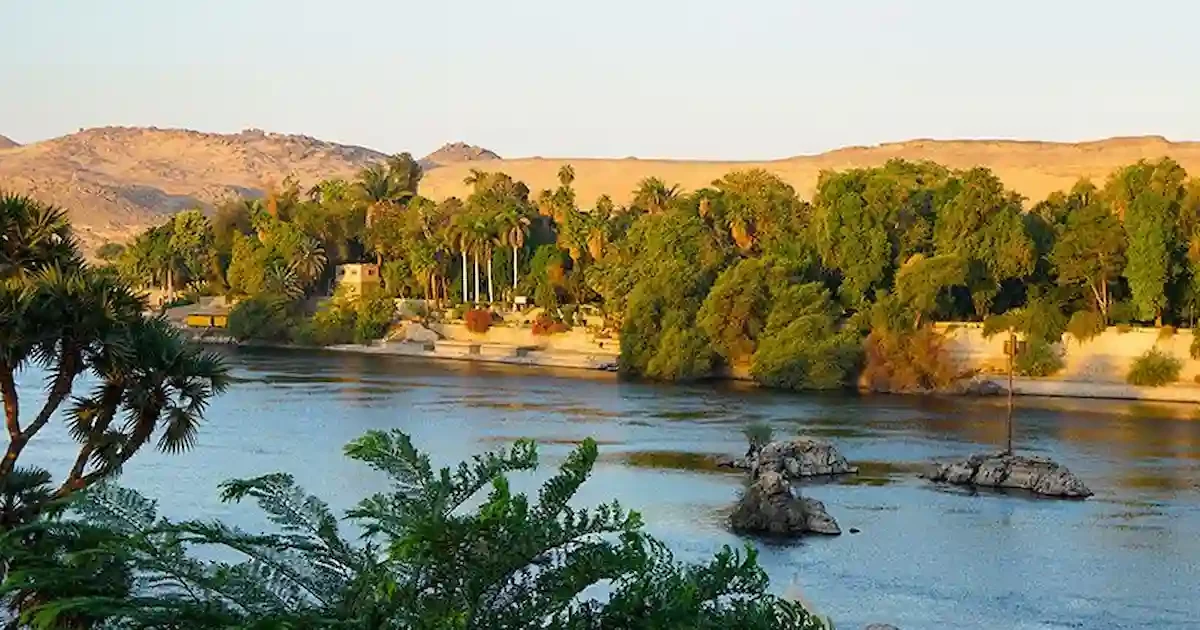
The first glimpse of a City on the Nile feels almost unreal.
The river moves slowly, reflecting golden sunlight across ancient stone and modern glass buildings at the same time.
Life here does not rush; it flows, just like the Nile itself.
When travelers search for a City on the Nile, they are not just looking for a destination—they are searching for a story written across thousands of years.
The idea of a City on the Nile is deeply tied to civilization, identity, and survival.
Every city on the Nile river carries echoes of pharaohs, traders, scholars, and explorers.
Standing by its banks, you begin to understand why entire empires rose and fell along this lifeline.
In this guide, we explore the most fascinating nile cities, uncovering their history, culture, and modern-day luxury experiences.
From Cairo’s vibrant chaos to Luxor’s silent temples, each nile river city offers something unforgettable.
You’ll also discover travel insights, cultural highlights, and curated experiences through trusted platforms like Egypt Day Tours and Cairo Day Tours, and immersive journeys such as Nile Cruises. This is more than a travel article.
It is an invitation to understand how the Nile shaped the world.
TABLE OF CONTENTS
The Meaning of a City on the Nile
Why the Nile shaped civilizations
Cairo: The Heart of the Nile River City Experience
History and cultural layers
Modern luxury travel appeal
Luxor and Aswan: The Ancient Nile Cities
Temples and royal heritage
River life and slow travel experience
Life Along the Nile Today
Local culture and traditions
Markets, food, and daily rhythm
Nile Cruises: The Best Way to Experience Nile Cities
Conclusion
FAQ
The Meaning of a City on the Nile
A City on the Nile is not simply a geographic label.
It is a living system built around the world’s longest river.
The Nile has always been the source of life, agriculture, and movement.
Without it, ancient Egypt would not have existed.
Why the Nile shaped civilizations
The river provided fertile soil in the middle of desert landscapes.
That alone explains why every major city on the Nile river developed into a center of power.
Trade routes followed its path, temples were built along its banks, and kings chose its shores for their capitals.
Historically, the idea of cities on the Nile also meant control over resources.
Whoever controlled the river controlled Egypt itself.
That is why even today, modern cities still cluster around it.
Travelers often come searching for the meaning behind the city on the nile crossword clue, only to discover that the answer is not one place—it is an entire civilization network.
The Nile is not just water. It is memory, identity, and continuity.
Cairo: The Heart of the Nile River City Experience
Cairo is often considered the ultimate capital city on the Nile river, where ancient history and modern life collide in dramatic contrast.
It is loud, alive, and endlessly fascinating.
History and cultural layers
Walking through Cairo feels like moving through time.
Islamic architecture, Coptic churches, and remnants of ancient Egypt sit side by side.
This complexity makes it one of the most important nile river cities in the world.
The city’s connection to the Nile is visible everywhere.
Bridges, feluccas, and riverside cafés shape daily life.
Locals still refer to it simply as their nile river city, even in modern conversation.
Modern luxury travel appeal
For luxury travelers, Cairo offers boutique hotels overlooking the river, curated museum experiences, and private guided tours.
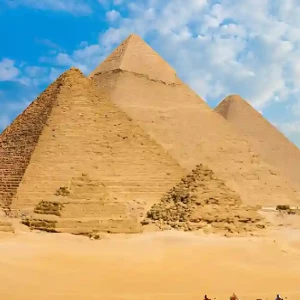
Many visitors combine their stay with curated experiences through Cairo Day Tours to explore pyramids, old markets, and hidden neighborhoods.
Evenings along the Nile are especially magical.
Dinner cruises glide across the water while the city lights shimmer like gold dust.
Cairo is not just a stop—it is an introduction to the soul of Egypt.
Luxor and Aswan: The Ancient Nile Cities
If Cairo is the heart, Luxor and Aswan are the memory of Egypt.
These are the places where the city on the nile river becomes a journey into ancient civilization.
Temples and royal heritage
Luxor is often described as the world’s greatest open-air museum.
The Valley of the Kings, Karnak Temple, and Luxor Temple tell stories carved in stone.
These landmarks define what many imagine when thinking of cities on the Nile.
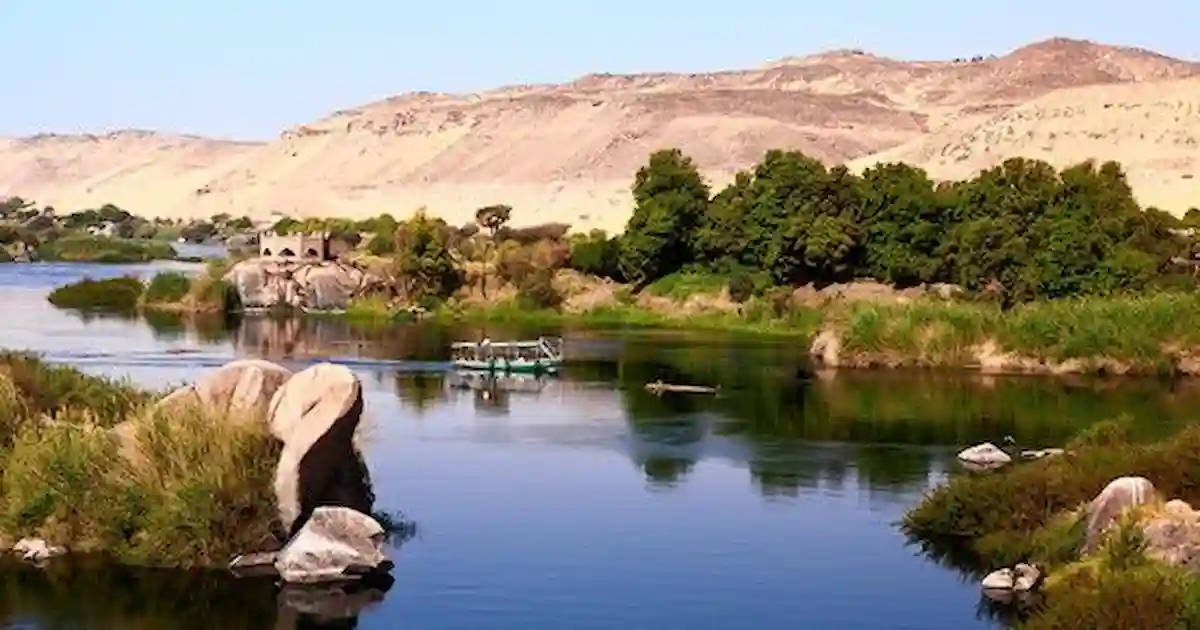
Aswan, on the other hand, feels quieter and more reflective.
Its granite cliffs and Nubian villages create a softer, more intimate atmosphere.
River life and slow travel experience
Unlike Cairo, life here moves slowly.
Feluccas glide across the water at sunset, and travelers often spend days simply watching the river.
Luxury travelers often choose curated experiences through Egypt Day Tours or extended journeys via Nile Cruises, which connect Luxor and Aswan in comfort and style.
These nile cities are not just destinations—they are emotional experiences shaped by silence, history, and water.
Life Along the Nile Today
Modern life along the Nile is a blend of tradition and adaptation.
Farmers still depend on its waters, fishermen cast nets at dawn, and families gather by its banks in the evening.
Markets near every city on the nile river are full of spices, textiles, and handmade crafts.
Food reflects both heritage and geography—fresh fish, slow-cooked stews, and street-side bread ovens.
In spiritual terms, the Nile remains sacred.
Many locals associate it with blessings and protection.
In Islamic tradition, water is seen as purity and life, giving deeper meaning to the eye symbol meaning in islam often seen in regional jewelry and amulets.
Even modern digital culture reflects the river’s presence.
Travelers searching for what does the eye symbol mean on my phone or symbolic icons often discover links between ancient protection symbols and contemporary design influences.
The Nile continues to shape not just geography—but identity.
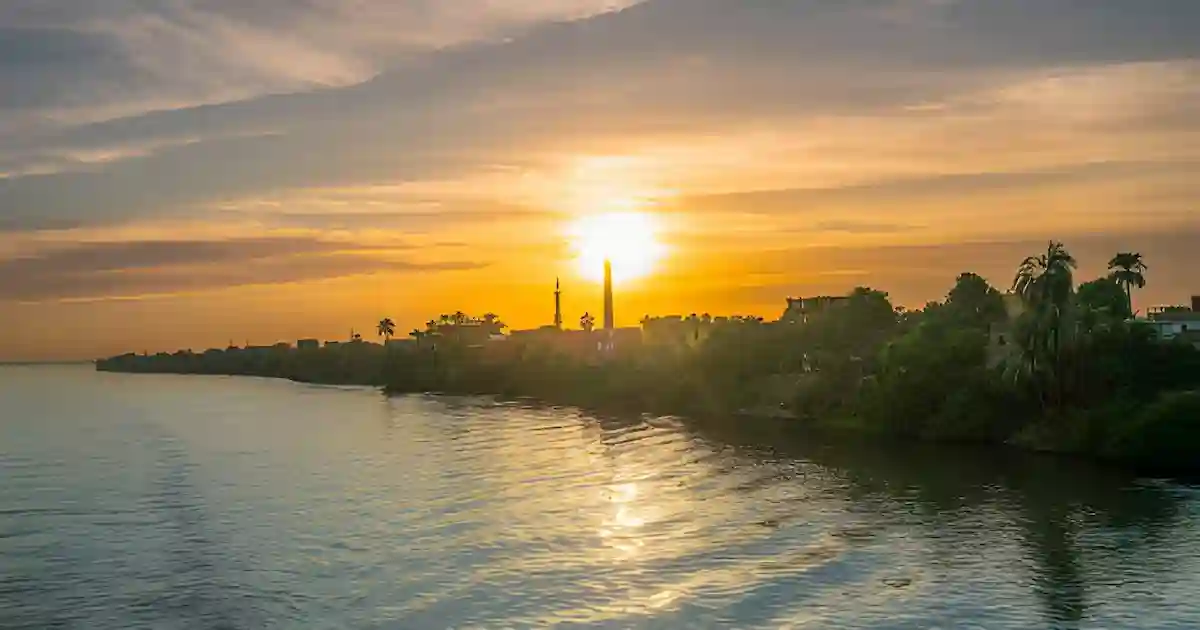
Nile Cruises: The Best Way to Experience Nile Cities
One of the most immersive ways to understand a City on the Nile is from the water itself.
A Nile cruise connects multiple nile river cities in one seamless journey.
Luxury cruises offer private balconies, fine dining, and guided excursions to temples and villages.
The experience is slow, elegant, and deeply personal.
Watching sunrise over the river feels almost spiritual.
Each stop reveals a new layer of history—from bustling markets to silent ruins.
Many travelers describe this as the only way to truly understand what the symbol of an eye means in Egyptian culture: perception, protection, and awareness of something greater than the visible world.
Whether you travel from Luxor to Aswan or extend into Cairo, a cruise connects the entire story of the Nile.
Conclusion
A City on the Nile is more than a destination—it is a living timeline of human civilization.
From Cairo’s energy to Luxor’s silence, each place reveals a different chapter of the same river story.
The Nile continues to shape culture, identity, and travel experiences in ways few rivers in the world can match.
For travelers seeking depth, history, and beauty, it remains unmatched.
If you are planning your journey, explore curated experiences through Cairo Day Tours or immersive journeys with Nile Cruises. The Nile is waiting—not just to be seen, but to be felt.
And once you understand the City on the Nile, you never see history the same way again.
City on the Nile - FAQ
What is considered a City on the Nile?
A City on the Nile refers to any settlement built along the Nile River, including Cairo, Luxor, and Aswan.
These cities developed because of the river’s importance for agriculture and trade.
Why are Nile cities historically important?
Nile cities supported ancient Egyptian civilization by providing water, fertile land, and transportation routes.
Many temples and capitals were built directly along the river.
What is the best Nile river city to visit?
Cairo offers modern culture, while Luxor and Aswan provide ancient history.
Many travelers combine all three through Nile Cruises for a complete experience.
Are Nile cities good for luxury travel?
Yes, Nile cities offer luxury hotels, private tours, and premium cruise experiences.
Services like Egypt Day Tours enhance personalized travel.
What makes the Nile River special today?
The Nile remains the lifeline of Egypt, supporting agriculture, tourism, and daily life across multiple cities on the Nile river.