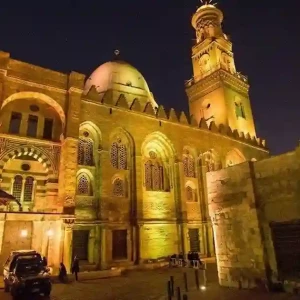
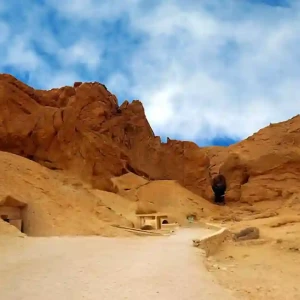
Castle of Egypt - History, Legends and Must See Sites
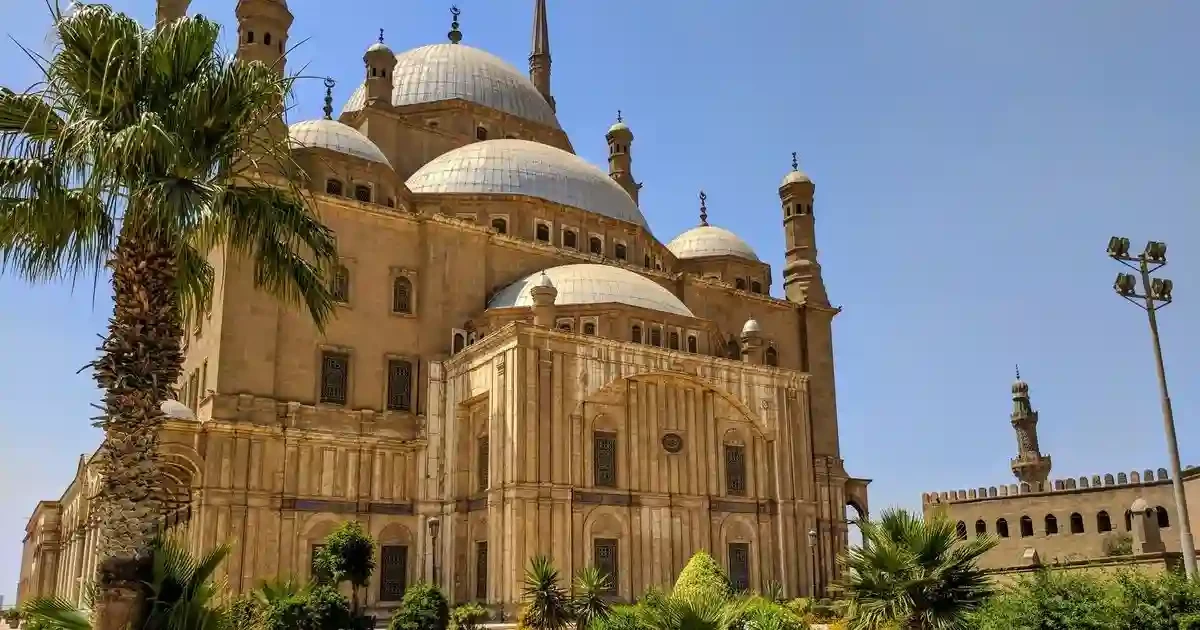
As the morning sun rises above Cairo, golden light washes over towering stone walls that have guarded the city for more than eight centuries.
From the bustling streets below, the mighty Castle of Egypt dominates the skyline, its ancient towers standing as silent witnesses to battles, royal ceremonies, and centuries of Egyptian history.
Walking through its massive gates feels like stepping into another era, where sultans ruled, soldiers stood watch, and legends were born.
For many visitors, the Castle of Egypt is far more than a historic fortress.
It is a gateway to understanding medieval Cairo, Islamic architecture, and the remarkable story of one of the Middle East's greatest strongholds.
Whether you're fascinated by history, architecture, or breathtaking city views, the Castle of Egypt promises an unforgettable experience.
If you're planning one of our Egypt Tour Packages, exploring the Citadel is an essential stop.
It also pairs perfectly with our Cairo Day Tours and carefully curated Egypt Day Tours, allowing travelers to discover the city's most treasured landmarks in a single journey.
This guide explores the castle's remarkable history, legendary rulers, architectural masterpieces, visitor information, and the must-see attractions that make it one of Egypt's greatest cultural treasures.
Table of Contents
What Is the Castle of Egypt?
The story behind the fortress
Why the Cairo Citadel became Egypt's strongest castle
The History of the Cairo Citadel
Salah El-Din and the fortress
Centuries of royal rule
Must-See Attractions Inside the Castle
Mosque of Muhammad Ali
Military Museum
Gawhara Palace
Spectacular viewpoints
Planning Your Visit
Tickets and entrance fees
Opening hours
Travel tips
Why the Castle of Egypt Belongs on Every Egypt Itinerary
What Is the Castle of Egypt?
When travelers search for the Castle of Egypt, they are almost always referring to the magnificent Cairo Citadel, also known as the Salah El-Din Citadel.
Perched high on the Mokattam Hills, this impressive fortress has watched over Cairo since the 12th century and remains one of the city's most iconic landmarks.
Unlike the temples of Luxor or the pyramids of Giza, the Citadel tells the story of Egypt's medieval period.
It represents an era when powerful dynasties defended the country against invading armies while transforming Cairo into one of the most influential cities in the Islamic world.
The Vision of Salah El-Din
The story begins in 1176 when Sultan Salah El-Din—known in the West as Saladin—ordered the construction of a massive fortress to protect Cairo from Crusader attacks.
At the time, Egypt faced significant military threats, and Cairo lacked a strong defensive position.
Salah El-Din chose the elevated Mokattam Hills because they offered panoramic views of the surrounding landscape, making it easier to detect approaching enemies.
Construction continued for many years, and successive rulers expanded the fortress into a vast military and political complex.
Eventually, the Citadel became the residence of Egypt's rulers for nearly 700 years.
Today, the castle of egypt history is still visible in every stone wall, fortified gate, and defensive tower.
Visitors can easily imagine soldiers patrolling the ramparts while royal processions entered through the monumental gates below.
More Than a Military Fortress
Although built for defense, the Citadel soon evolved into the heart of political life in Egypt.
Within its walls stood:
Royal palaces
Government buildings
Mosques
Military barracks
Museums
Administrative offices
For centuries, nearly every important political decision affecting Egypt was made inside this remarkable complex.
Walking through the Citadel today reveals layers of history from the Ayyubid, Mamluk, and Ottoman periods.
Each dynasty left its mark, adding new buildings while preserving the fortress's strategic importance.
One of the most impressive aspects of the site is its commanding location.
From the outer walls, visitors enjoy sweeping views across Cairo, with the city's skyline stretching toward the distant Pyramids of Giza on exceptionally clear days.
These panoramic views alone make the Citadel worth visiting, but they are only the beginning.
The fortress also houses magnificent examples of Islamic architecture, including the breathtaking Mosque of Muhammad Ali, whose elegant domes and soaring minarets dominate Cairo's skyline.
For travelers interested in combining Islamic Cairo with Egypt's ancient wonders, many Egypt Day Tours include the Citadel alongside the Egyptian Museum, Khan El Khalili Bazaar, and Old Cairo, creating a well-rounded introduction to the capital's extraordinary heritage.
In the next section, we'll explore the fascinating history of the Cairo Citadel, uncovering the rulers, battles, and legends that transformed this medieval fortress into one of Egypt's most celebrated landmarks.
The History of the Cairo Citadel
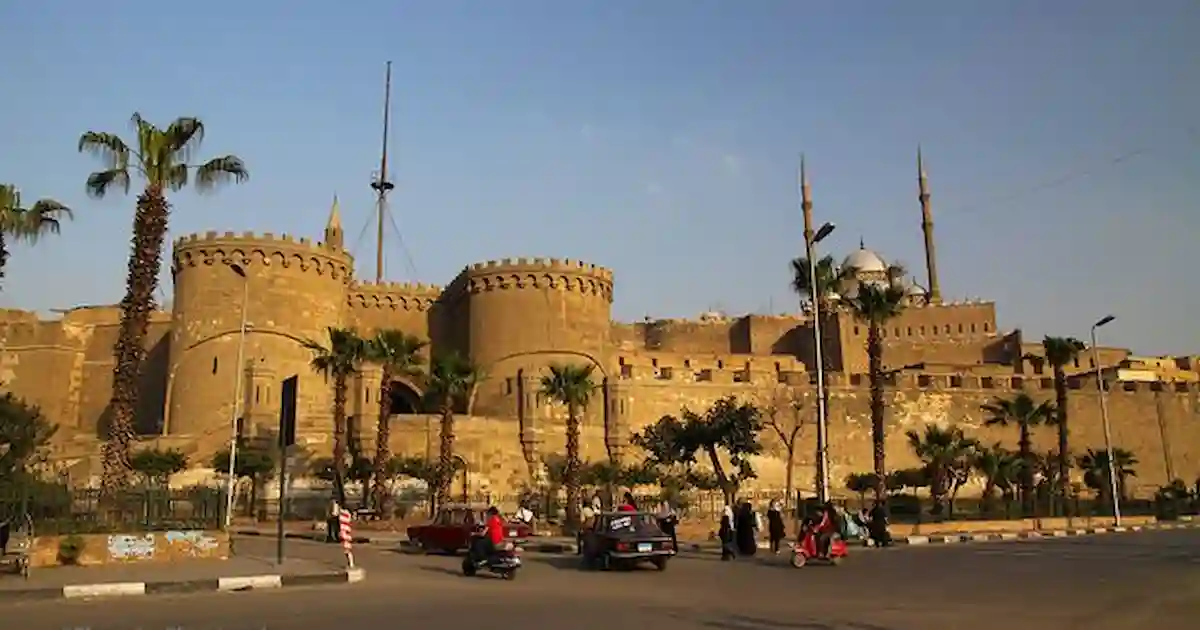
Few places in Egypt have witnessed as many turning points in the nation's history as the Cairo Citadel.
For more than seven centuries, this imposing fortress served as the political and military heart of Egypt.
Kings, sultans, governors, and military leaders all left their mark here, shaping the Citadel into one of the most significant landmarks in the Islamic world.
Walking through its gates today is like stepping into a living history book. Every courtyard, tower, and stone wall reflects a different chapter of Egypt's medieval past.
Salah El-Din and the Birth of the Fortress
The story of the Salah El-Din Citadel begins with one of history's most respected military leaders.
In 1176, Sultan Salah El-Din (Saladin) commissioned the fortress as part of an ambitious plan to defend Cairo and nearby Fustat from potential Crusader invasions.
Rather than building a simple castle, he envisioned a vast defensive complex that would serve both military and administrative purposes.
The location was carefully chosen.
Rising above Cairo on the Mokattam Hills, the site provided clear views across the surrounding landscape, making it difficult for enemies to approach unnoticed.
Massive limestone walls, fortified gates, and watchtowers were constructed to withstand prolonged sieges.
Water was supplied through the remarkable Well of Joseph, an engineering masterpiece carved deep into the bedrock to ensure the fortress remained self-sufficient during times of conflict.
Although Salah El-Din did not live to see the Citadel completed, his vision transformed Cairo into one of the best-defended cities in the medieval Middle East.
Today, visitors searching for Saladin Citadel Egypt often discover that its historical importance extends far beyond military architecture—it became the center of Egyptian government for centuries.
A Fortress That Became the Seat of Power
After the Ayyubid dynasty, the Mamluks and later the Ottomans expanded and enhanced the Citadel.
Each ruling dynasty introduced new architectural styles while preserving the fortress's strategic function.
Grand palaces replaced earlier residences, elegant mosques rose above the skyline, and administrative buildings turned the Citadel into a thriving royal city within the city.
For nearly 700 years, Egypt's rulers governed the country from behind these walls.
Important diplomatic meetings, royal ceremonies, military planning, and state affairs all unfolded inside the fortress.
The Citadel became a symbol of political authority, demonstrating the ruler's ability to protect both Cairo and the wider Egyptian realm.
Perhaps the most dramatic event in its history occurred in 1811.
The Citadel Massacre
One of the most famous—and controversial—episodes associated with the fortress is the Massacre of the Mamluks.
After consolidating his power, Muhammad Ali Pasha invited hundreds of Mamluk leaders to a ceremonial celebration inside the Citadel.
As they descended the narrow passage leading from the fortress, the gates were sealed, and soldiers opened fire from above.
According to historical accounts, very few escaped.
This event effectively ended Mamluk political influence in Egypt and marked the beginning of Muhammad Ali's modernization of the country.
Today, guides often recount this dramatic story while leading visitors through the Citadel, adding another layer of intrigue to the site.
Despite its violent moments, the fortress ultimately became a place of cultural achievement, architectural beauty, and national heritage rather than warfare.
For travelers exploring Cairo through expertly planned Cairo Day Tours, the Citadel offers an extraordinary opportunity to understand the city's medieval history alongside its ancient monuments.
It complements visits to the Egyptian Museum, Old Cairo, and Khan El Khalili, providing a more complete picture of Egypt's remarkable past.
Must-See Attractions Inside the Castle
Although the fortress itself is impressive, the real magic begins once you step inside its walls. The Castle of Egypt is home to some of Cairo's most celebrated landmarks, each reflecting a different period of Egyptian history.
Whether you're passionate about architecture, photography, museums, or panoramic viewpoints, you'll find plenty to explore within the Citadel complex.
The Mosque of Muhammad Ali
The most recognizable landmark inside the Citadel is undoubtedly the Mosque of Muhammad Ali, often called the Alabaster Mosque.
Completed in the 19th century, its elegant Ottoman-inspired design dominates Cairo's skyline with soaring twin minarets and a magnificent central dome.
Inside, visitors are greeted by:
Glittering chandeliers
Intricately decorated ceilings
Marble walls
Beautiful stained-glass windows
A peaceful central prayer hall
The mosque's elevated courtyard also offers one of the finest panoramic views of Cairo.
On clear days, you may even catch a glimpse of the Pyramids of Giza in the distance.
For photographers, this is one of the city's most rewarding viewpoints.
The National Military Museum
Located within one of the Citadel's former palaces, the National Military Museum traces Egypt's military history from the Pharaonic period through the modern era.
Its collections include:
Ancient weapons
Medieval armor
Cannons
Military uniforms
Historic battle maps
Aircraft and military vehicles displayed outdoors
Even travelers with only a casual interest in history often enjoy seeing how Egypt's armed forces evolved over thousands of years.
Gawhara Palace (Jewel Palace)
Built by Muhammad Ali Pasha in the early nineteenth century, Gawhara Palace once served as the ruler's luxurious residence.
Its richly decorated rooms feature:
Elegant marble floors
Ornate wooden ceilings
Crystal chandeliers
Antique furniture
Royal portraits
Ceremonial halls
The palace offers a fascinating contrast to the fortress's military architecture, revealing the refined lifestyle of Egypt's ruling elite.
The Citadel Walls and Panoramic Views
Sometimes, the greatest attraction isn't inside a building at all.
Walking along sections of the Citadel's defensive walls provides spectacular views across Cairo's sprawling skyline. Minarets, domes, historic neighborhoods, and modern districts blend into a breathtaking panorama that changes throughout the day.
Sunset is especially memorable, as warm golden light bathes the city's rooftops and the call to prayer echoes from countless mosques below.
It's moments like these that remind visitors why the Castle of Egypt remains one of Cairo's most rewarding destinations.
Many luxury Egypt Tour Packages include guided visits to the Citadel, allowing travelers to appreciate not only its famous monuments but also the fascinating stories hidden within its walls.
Combined with nearby attractions on Egypt Day Tours, the fortress becomes an essential stop for anyone seeking a deeper understanding of Egypt's rich and diverse history.
Planning Your Visit
A visit to the Castle of Egypt is one of the highlights of any trip to Cairo.
While the Citadel is easy to reach, planning your visit in advance will help you make the most of your time and enjoy a more relaxed experience. From choosing the best time of day to understanding ticket options, a little preparation goes a long way.
Opening Hours and the Best Time to Visit
The Cairo Citadel is generally open daily, with operating hours typically beginning in the morning and continuing into the late afternoon.
Exact opening times may vary slightly during public holidays or religious celebrations, so it's always wise to check the official visitor information before your trip.
If possible, arrive early in the morning.
The cooler temperatures make walking through the expansive complex much more comfortable, and the softer sunlight creates ideal conditions for photography.
Early visits also allow you to explore popular attractions like the Mosque of Muhammad Ali before larger tour groups arrive.
Another excellent option is a late afternoon visit.
As the sun begins to set, the golden light transforms the limestone buildings and offers breathtaking panoramic views across Cairo.
Castle of Egypt Tickets and Entrance Fees
Many travelers search online for castle of egypt tickets, cairo citadel tickets, or the cairo citadel entrance fee before arriving.
Admission fees are updated periodically by the Egyptian authorities, and separate pricing often applies to:
International visitors
Egyptian citizens
Students with valid identification
Some tickets may also include access to museums and historic buildings within the Citadel complex.
If you're booking professionally guided Cairo Day Tours, entrance fees are frequently included in the tour price, allowing you to skip the hassle of purchasing individual tickets on arrival.
Travelers interested in private experiences may also choose customized castle of egypt tours, which often combine the Citadel with nearby attractions such as the Egyptian Museum, Khan El Khalili Bazaar, and Old Cairo.
Practical Tips for an Enjoyable Visit
To make your experience as comfortable as possible, keep these suggestions in mind:
Wear comfortable walking shoes, as many pathways are paved with uneven stone.
Bring water, especially during the warmer months.
Dress modestly when entering religious sites such as the Mosque of Muhammad Ali.
Carry a hat and sunscreen if visiting during midday.
Allow at least two to three hours to explore the Citadel at a relaxed pace.
Photography is permitted in most outdoor areas, although some museums may have specific rules regarding cameras or video equipment.
Hiring a knowledgeable guide can significantly enhance your visit. Many carvings, architectural features, and historical events become far more meaningful when explained by someone familiar with the site's rich history.
For the latest visitor information, opening hours, and preservation efforts, the UNESCO World Heritage Centre and the Wikipedia article on the Cairo Citadel provide useful background before your journey.
Why the Castle of Egypt Belongs on Every Egypt Itinerary
Egypt is often associated with the Pyramids of Giza, the temples of Luxor, and the tombs of the Valley of the Kings.
Yet the Castle of Egypt offers something entirely different—a chance to explore the country's medieval heritage and discover the rulers who shaped Cairo long after the age of the pharaohs had ended.
It is a place where military history, Islamic architecture, royal palaces, and sweeping city views come together in one remarkable destination.
A Different Side of Egyptian History
Many first-time visitors are surprised to learn that Egypt's story did not end with the ancient pharaohs.
The Citadel introduces travelers to the Ayyubid, Mamluk, and Ottoman periods, revealing how Cairo evolved into one of the most influential capitals of the medieval world.
Exploring the fortress offers a refreshing contrast to Egypt's ancient monuments.
Instead of colossal statues and hieroglyphics, you'll encounter elegant mosques, fortified walls, royal palaces, and centuries of Islamic art and architecture.
Together, these sites provide a more complete understanding of Egypt's remarkable cultural heritage.
A Photographer's Dream
The Citadel is also one of Cairo's finest photography locations.
From its elevated position, visitors can capture:
The skyline of historic Cairo.
The domes and minarets of countless mosques.
The Mosque of Muhammad Ali rising above the fortress.
Distant views toward the Pyramids on exceptionally clear days.
Beautiful sunset panoramas over the city.
Every season offers a different atmosphere, making the Citadel a rewarding destination for photographers and casual visitors alike.
The Perfect Addition to Your Cairo Adventure
The Castle of Egypt combines effortlessly with many of Cairo's other world-famous attractions.
A thoughtfully planned itinerary might include:
The Egyptian Museum in the morning.
The Cairo Citadel after lunch.
Khan El Khalili Bazaar in the evening.
A traditional Nile dinner cruise to end the day.
Many visitors choose comprehensive Egypt Day Tours or private Cairo Day Tours to enjoy these highlights with expert guides who bring centuries of history to life through engaging stories and local insight.
For travelers planning a longer holiday, the Citadel also fits perfectly into broader Egypt Tour Packages, connecting Cairo's medieval treasures with the timeless wonders of Giza, Luxor, Aswan, and the Nile.
Whether you're a history enthusiast, an architecture lover, or simply someone seeking unforgettable views of Cairo, the Castle of Egypt delivers an experience that goes far beyond a typical sightseeing stop.
It is a place where every stone tells a story, every courtyard echoes with history, and every visit leaves a deeper appreciation for the many civilizations that have shaped Egypt's extraordinary past.

Conclusion
The Castle of Egypt is much more than an impressive medieval fortress.
It is a symbol of Cairo's resilience, a masterpiece of Islamic architecture, and a place where centuries of Egyptian history come together within towering stone walls.
From the visionary leadership of Salah El-Din to the magnificent Mosque of Muhammad Ali and the panoramic views over the capital, every corner of the Citadel tells a story worth discovering.
Whether you're passionate about history, architecture, or cultural travel, a visit to the Citadel offers an unforgettable perspective on Egypt beyond the pharaohs.
It perfectly complements the country's ancient monuments while revealing the rich heritage of its medieval and Ottoman eras.
If you're planning your next adventure, include the Castle of Egypt in one of our Egypt Tour Packages, enrich your itinerary with expertly guided Cairo Day Tours, or combine it with other iconic attractions through our Egypt Day Tours. Exploring the Castle of Egypt is an experience that will deepen your appreciation for Egypt's remarkable past and leave you with lasting memories of one of Cairo's greatest landmarks.
Castle of Egypt - FAQ
What is the Castle of Egypt?
The Castle of Egypt commonly refers to the Cairo Citadel, also known as the Salah El-Din Citadel.
Built in the 12th century by Sultan Salah El-Din, it served as Egypt's political and military headquarters for nearly 700 years and remains one of Cairo's most famous historic landmarks.
How much are Cairo Citadel tickets?
The cairo citadel tickets and cairo citadel entrance fee vary depending on nationality, student status, and any updates made by the Egyptian authorities.
Many organized Cairo Day Tours include admission in the overall tour price, making your visit more convenient.
How long should I spend at the Citadel?
Most visitors spend between two and three hours exploring the Citadel.
This allows enough time to visit the Mosque of Muhammad Ali, Gawhara Palace, the National Military Museum, and enjoy the panoramic viewpoints across Cairo.
Travelers interested in photography or history may wish to stay even longer.
Is the Salah El-Din Citadel worth visiting?
Absolutely. The Saladin Citadel Egypt is one of Cairo's most rewarding attractions, offering spectacular architecture, fascinating history, and breathtaking city views.
It provides a unique perspective on Egypt's Islamic and medieval heritage that complements visits to the pyramids and ancient temples.
Can I visit the Castle of Egypt as part of a guided tour?
Yes. Many castle of egypt tours are included within broader Egypt Tour Packages and Egypt Day Tours.
Guided visits provide valuable historical context, explain the significance of the Citadel's landmarks, and often combine the fortress with other major attractions such as the Egyptian Museum, Old Cairo, and Khan El Khalili.