Nobles Tombs - Egypt's Hidden Ancient Wonders
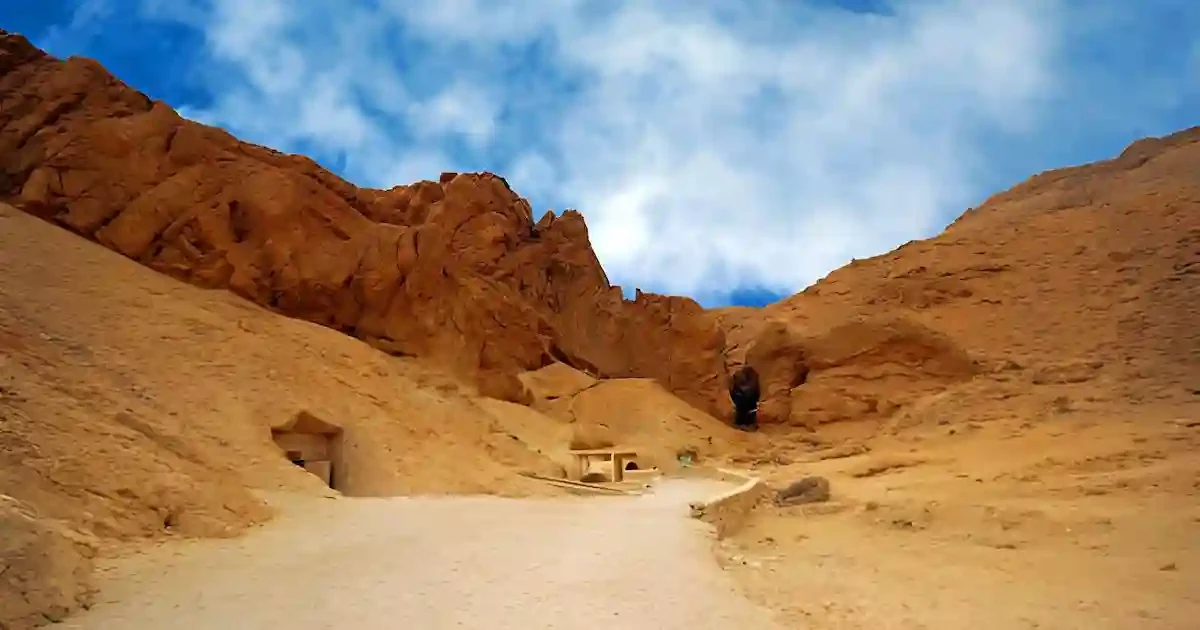
Duck through a low rock-cut doorway on Luxor's West Bank, and the temperature drops before your eyes adjust.
Then the colors appear: a farmer bent over his harvest, a banquet in full swing, a woman playing a harp for guests who died three thousand years ago.
This is what makes the Nobles Tombs so different from anywhere else in Egypt.
While most visitors race between the Valley of the Kings and Karnak, the Nobles Tombs sit quietly nearby, holding some of the most human, most personal art the ancient world ever produced.
This guide walks you through everything worth knowing about the Nobles Tombs Egypt has tucked into its western hillside, from their history to which ones to prioritize. If you're mapping out a longer trip around these sites, our Egypt Tour Packages are a good place to start.
TABLE OF CONTENTS
What Are the Nobles Tombs? An Introduction to Luxor's Best-Kept Secret
Tombs of the Nobles Egypt: History and Origins
From the Old Kingdom to the Greco-Roman Era
Life, Not Just the Afterlife
The Most Famous Tombs of the Nobles in Luxor
Sennefer, the Tomb of the Vines
Rekhmire and Ramose
Nobles Tombs Facts: Art, Symbolism, and Daily Life Scenes
Valley of the Nobles Location and How to Get There
Tombs of the Nobles Tickets, Price, and Opening Hours
Tombs of the Nobles vs. Valley of the Kings: Which Should You Visit?
What Are the Nobles Tombs? An Introduction to Luxor's Best-Kept Secret
Officially known as the Tombs of the Nobles, this sprawling necropolis holds more than 400 individual tombs cut into the hillside near Sheikh Abd el-Qurna, on Luxor's West Bank.
Unlike the pharaohs buried nearby, the people interred here were officials, scribes, priests, viziers, and mayors — the administrative backbone of ancient Thebes.
Locally, Egyptians often call the site the Valley of the Nobles, and in Arabic it's known as Nobles Tombs (Maqabir al-Nubalaa).
The scale alone is worth pausing on: this isn't one tomb, but an entire hillside community of the dead, each chamber telling a different personal story.
Tombs of the Nobles Egypt: History and Origins
From the Old Kingdom to the Greco-Roman Era
The tombs weren't built in a single burst of construction.
Some date back to the Old Kingdom, but the overwhelming majority were carved during Egypt's New Kingdom, roughly 1550 to 1070 BCE, when Thebes stood as the religious and political heart of the country.
Construction continued in smaller numbers well into the Greco-Roman period, making this site a rare timeline of shifting artistic styles stretched across more than a thousand years.
The entire area sits within Ancient Thebes with its Necropolis, a site UNESCO inscribed on its World Heritage List in 1979 alongside Karnak, Luxor Temple, and the Valley of the Kings.
Life, Not Just the Afterlife
Royal tombs in the Valley of the Kings focus almost entirely on the pharaoh's journey through the underworld, dense with religious texts meant to guide a god-king into eternity.
The Nobles Tombs take a different approach entirely.
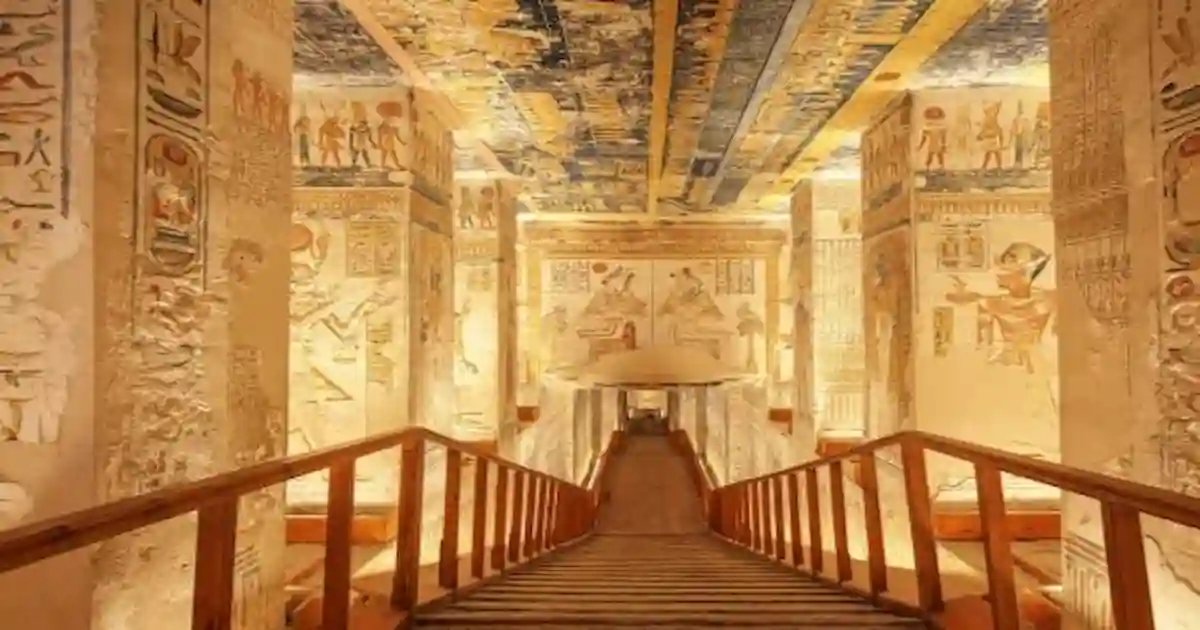
Their walls show harvests, hunting trips, musicians, marketplaces, and family gatherings — scenes that read less like scripture and more like a photo album.
That shift in focus is exactly why historians treat these tombs as such a valuable record of daily life in ancient Egypt, filling gaps that royal monuments simply don't address.
The Most Famous Tombs of the Nobles in Luxor
Among the hundreds of chambers here, a handful consistently draw the most attention for their artistry and condition.
Sennefer, the Tomb of the Vines
Sennefer served as Mayor of Thebes under Amenhotep II, and his tomb, numbered TT96, is nicknamed the "Tomb of the Vines" for its ceiling, painted edge to edge with a trellis of grapes.
Walking into that low, curved chamber and looking up feels less like visiting a burial site and more like stepping into a garden frozen in pigment.
Rekhmire and Ramose
Rekhmire, vizier under Thutmose III, left behind detailed inscriptions describing his official duties, offering a rare firsthand account of Egyptian governance.
Nearby, the tomb of Ramose (TT55), vizier under Amenhotep III and later Akhenaten, captures a fascinating artistic pivot — its reliefs shift mid-tomb from traditional style toward the experimental Amarna art movement, a visual record of one of Egypt's most disruptive religious revolutions.
Nobles Tombs Facts: Art, Symbolism, and Daily Life Scenes
A few details tend to surprise first-time visitors. The tombs are generally shallower and smaller than royal burial chambers, cut closer to the surface of the hillside rather than deep into rock.
Because of that, many suffered more from erosion and human disturbance over the centuries, and roughly half the total collection remains in strong enough condition to visit today.
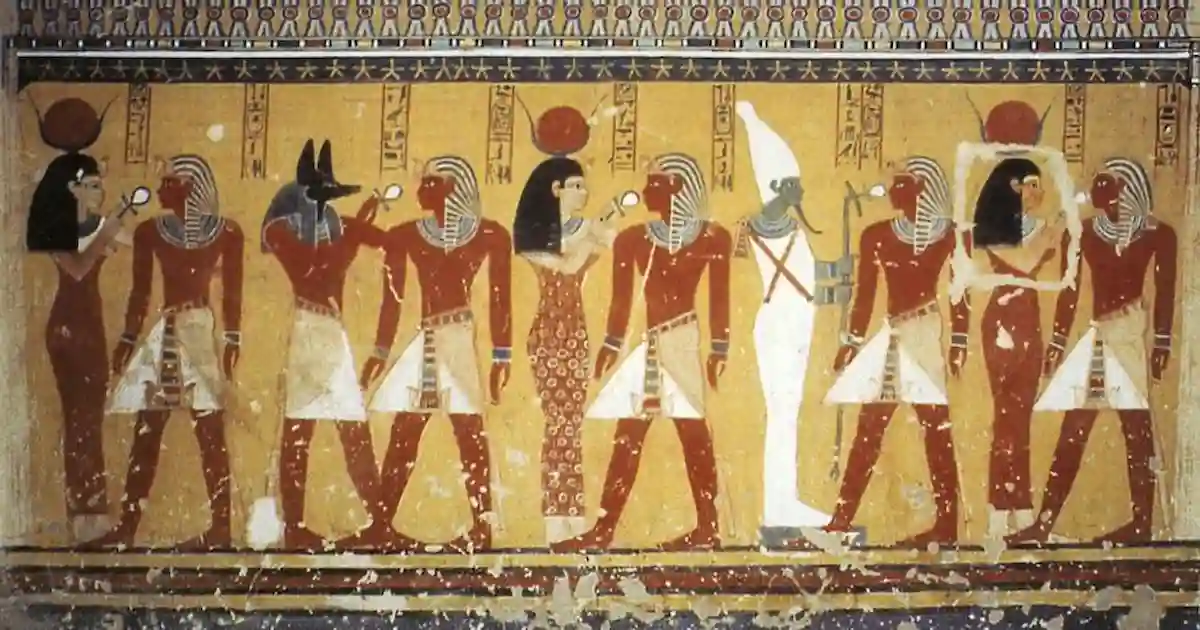
The paintings themselves lean toward warm, earthy palettes, and the subject matter — weaving, fishing, offering bread to the gods, mourning processions — gives a rounded picture of both spiritual belief and ordinary routine.
If you enjoy hunting for tombs of the nobles photos before a trip, these daily-life scenes tend to photograph beautifully in the soft light near a chamber's entrance.
Valley of the Nobles Location and How to Get There
The Nobles Tombs sit on Luxor's West Bank, between the Ramesseum and Hatshepsut's mortuary temple, within easy reach of the Valley of the Kings and Deir el-Medina.
Most visitors arrive by taxi, private driver, or as part of a West Bank day tour that also covers nearby temples.
Because the site isn't as clearly signposted as the major royal monuments, a local guide makes a real difference in deciding which tombs are open and worth your limited time.
Travelers extending their trip south often pair Luxor's West Bank with our Aswan Day Tours, rounding out a fuller Upper Egypt itinerary in one trip.
Tombs of the Nobles Tickets, Price, and Opening Hours
The site typically opens daily from around 6:00 AM to 5:00 PM, though hours can shift seasonally, so it's worth confirming locally before you go.
Tombs of the Nobles tickets are usually sold per tomb or in small clusters rather than as one all-access pass, with each ticket priced at roughly 80 EGP for adults and about half that for students — figures that are approximate and worth double-checking, since entrance fees across Egypt are adjusted periodically.
Not every tomb is open to the public at all times, so checking which chambers are accessible on the day of your visit will save you a wasted trip to a locked door.
Tombs of the Nobles vs. Valley of the Kings: Which Should You Visit?
If you only have time for one site, the Valley of the Kings wins on sheer grandeur and name recognition — it's home to Tutankhamun and generations of pharaohs.
But if you've already checked that box, or you want a quieter, more intimate encounter with ancient Egypt, the Nobles Tombs deliver something the royal tombs can't: warmth, humor, and scenes of people who lived ordinary, complicated lives rather than god-kings preparing for eternity.
Reviews from travelers who've visited both consistently mention how much less crowded the Nobles Tombs feel, which alone makes them worth the detour.
Nobles Tombs - FAQ
What are the Nobles Tombs in Luxor?
The Nobles Tombs, also called the Tombs of the Nobles, are a large necropolis on Luxor's West Bank holding the burial chambers of ancient Egyptian officials, priests, and administrators rather than pharaohs.
How much do Tombs of the Nobles tickets cost?
Pricing is generally around 80 EGP per tomb for adults, with reduced rates for students, though exact figures can change, so it's best to confirm current pricing on-site or with a local guide.
Are the Nobles Tombs worth visiting compared to the Valley of the Kings?
Yes, especially if you want a quieter experience with a different kind of art.
The Valley of the Kings offers grandeur, while the Nobles Tombs offer intimate, colorful scenes of everyday ancient life.
How many tombs are in the Valley of the Nobles?
The site contains more than 400 tombs, though only a portion are open to visitors at any given time, so it's worth checking availability before your visit.
Can I combine a visit to the Nobles Tombs with other Luxor or Upper Egypt sites?
Absolutely. Many travelers pair it with the nearby Ramesseum and Hatshepsut's temple, and those extending their trip further south often add our Nile Cruises to see more of Upper Egypt in one seamless journey.
Conclusion
The Nobles Tombs may not carry the fame of Tutankhamun's burial chamber, but they offer something just as valuable: a genuinely human window into ancient Egyptian life.
Between the painted vines of Sennefer's ceiling and Ramose's shifting artistic style, this necropolis rewards travelers who want depth over crowds.
Add in the relatively low visitor numbers, and you get one of Luxor's best experiences hiding in plain sight.
Whether you're building a full Upper Egypt itinerary or simply want to add one more meaningful stop to your Luxor days, the Nobles Tombs deserve a place on the list.
Reach out and we'll help you build them into your trip.