Crown of Pharaoh - Symbols, Types and Ancient Egyptian Power
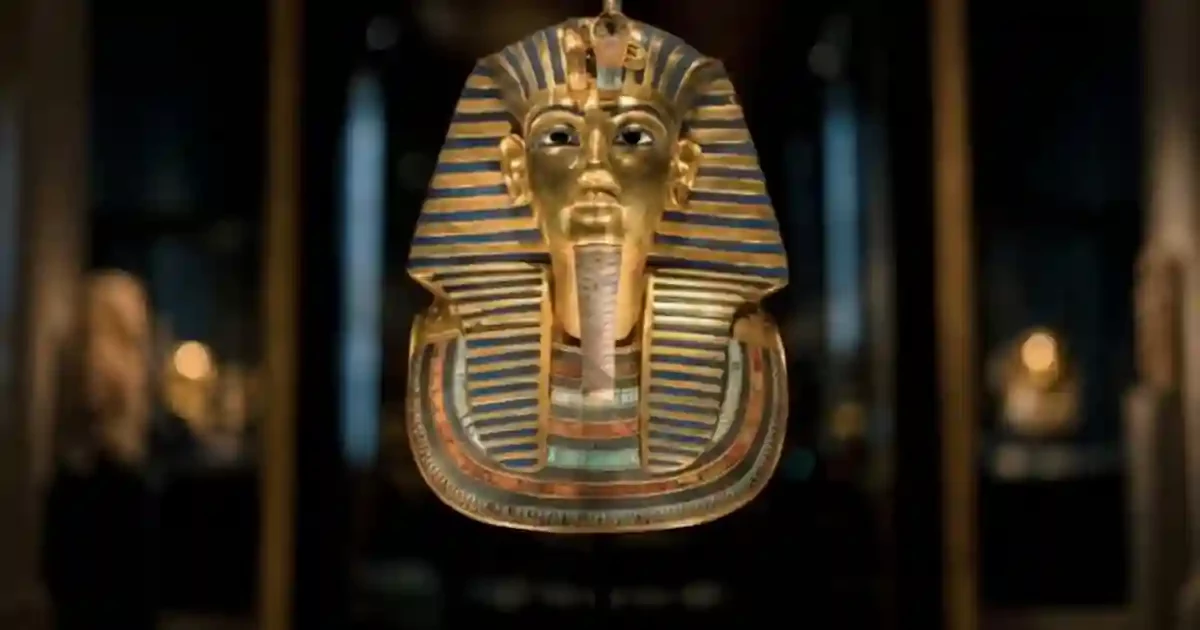
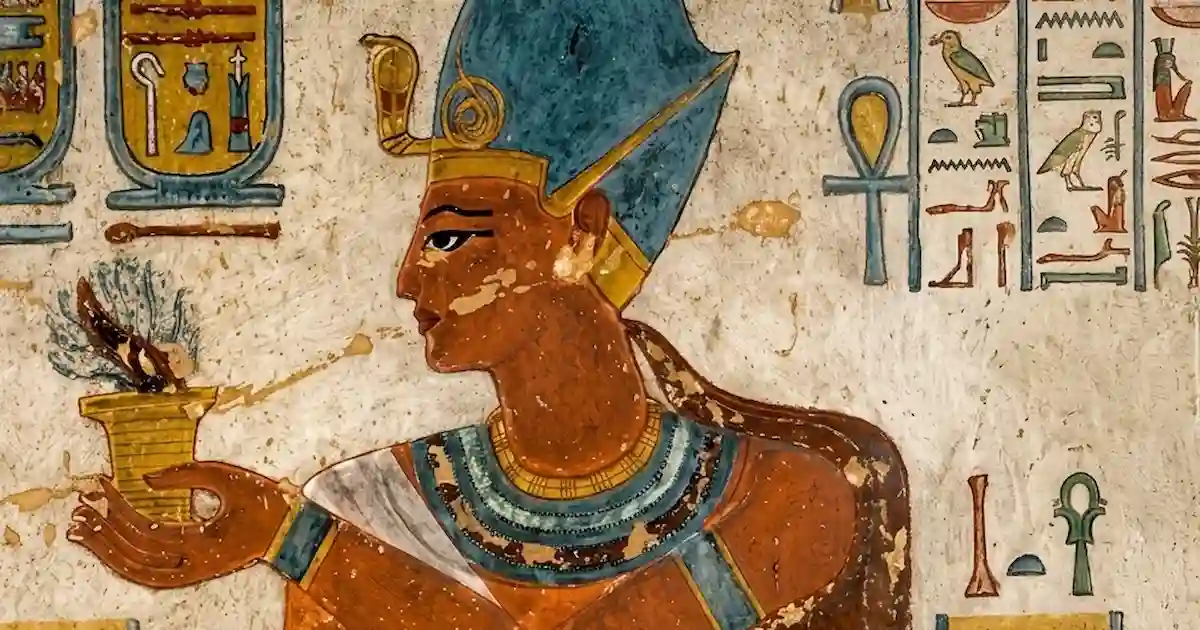
The moment you stand before ancient temple walls in Luxor or Karnak, something immediately captures your attention—royal figures crowned in striking, symbolic headpieces that seem to carry more meaning than gold alone.
The Crown of Pharaoh is not just decoration.
It is identity, authority, and divine connection all shaped into one powerful visual form.
Across Egypt’s ancient civilization, the Crown of Pharaoh appears again and again in carvings, statues, and sacred art.
It tells a story of leadership, spirituality, and cosmic balance.
When travelers ask about the Crown of Pharaoh, they are really asking how ancient rulers transformed themselves into living symbols of gods on Earth.
This guide explores the meaning, types, and symbolism of the Crown of Pharaoh, revealing how each design reflected power, protection, and divine legitimacy.
Whether you are a history enthusiast, cultural traveler, or luxury explorer fascinated by ancient Egypt, this journey will give you a deeper understanding of one of civilization’s most iconic symbols.
If you are planning to explore Egypt firsthand, immersive experiences like Egypt Tour Packages or guided Egypt Day Tours bring these symbols to life in real archaeological settings.
For deeper mythological context, you can also explore our guide to Ancient Egyptian Gods, where the divine origins of pharaonic authority become even clearer.
TABLE OF CONTENTS
Crown of Pharaoh: Origins and Royal Meaning
Ancient Egypt and divine kingship
Symbolism of power and authority
Types of Crown of Pharaoh in Ancient Egypt
White Crown and Red Crown
Khepresh crown and war symbolism
Combined crowns of unified Egypt
Crown of Pharaoh Symbol and Spiritual Meaning
Connection to gods and cosmic order
Pharaoh crown snake symbolism
Egyptian Crowns for Queens and Royal Women
Queenship and divine femininity
Royal accessories and ceremonial meaning
Crown of Pharaoh in Modern Culture
Music, tattoos, and pop references
“Heavy lies the crown” interpretations
Historical Truth: Is the Crown of Pharaoh Real?
FAQ
Conclusion
Crown of Pharaoh: Origins and Royal Meaning
The Crown of Pharaoh meaning begins with a simple idea: the king was not just a ruler but a divine intermediary.
In ancient Egypt, power was never purely political—it was spiritual.
Ancient Egypt and Divine Kingship
Pharaohs were believed to be chosen by the gods.
Their crowns were not optional fashion items but sacred instruments that connected them to divine forces.
Wearing a crown meant embodying Ma’at—the principle of truth, balance, and cosmic order.
This belief explains why the Crown of Pharaoh symbol appears so consistently in temple art.
It was a visible reminder that the ruler governed with divine authority.
Symbolism of Power and Authority
Every detail of the crown carried meaning. Gold represented eternity.
Color signified protection or warfare. Even shape mattered.
In many depictions, the crown elevated the pharaoh into something beyond human.
It transformed him into a living symbol of Egypt itself.
Types of Crown of Pharaoh in Ancient Egypt
Ancient Egypt had multiple crowns, each representing a different aspect of power and responsibility.
White Crown and Red Crown
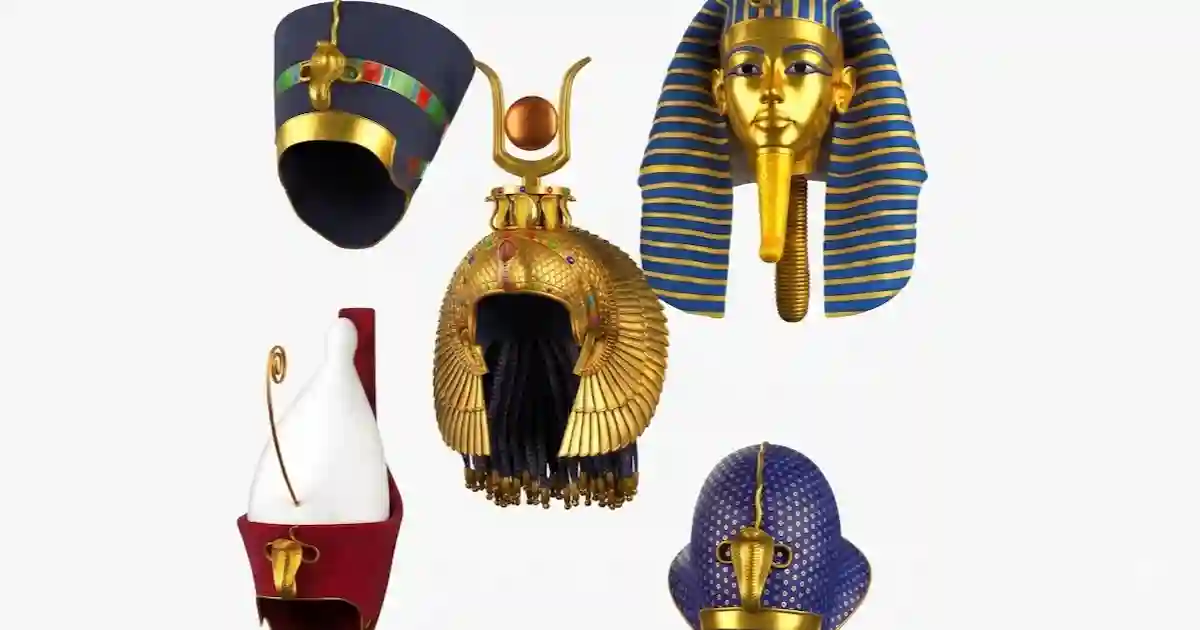
The White Crown (Hedjet) symbolized Upper Egypt, while the Red Crown (Deshret) represented Lower Egypt.
When combined, they formed the Double Crown (Pschent), representing unified rule.
This duality reflected political balance and national unity.
Khepresh Crown and War Symbolism
The khepresh crown is often called the blue war crown.
Pharaohs wore it during military campaigns and ceremonial events.
Its appearance in battle scenes reinforces the idea of divine protection in warfare.
Combined Crowns of Unified Egypt
The fusion of crowns symbolized complete authority over all of Egypt.
It represented not just political control but cosmic harmony.
Many scholars link these designs to state ideology and religious structure documented in historical records such as Britannicabritannica
Crown of Pharaoh Symbol and Spiritual Meaning
The Crown of Pharaoh symbol goes far beyond politics. It connects deeply with spirituality and mythology.
Connection to Gods and Cosmic Order
Crowns were believed to align the pharaoh with gods like Ra, Horus, and Osiris.
This connection reinforced the ruler’s role as protector of balance between heaven and earth.
This spiritual dimension is closely tied to beliefs explored in Ancient Egyptian Gods, where divine authority shapes every aspect of life.
Pharaoh Crown Snake Symbolism
One of the most recognizable elements is the cobra (uraeus), often seen on crowns.
The pharaoh crown snake represents protection, divine fire, and royal authority.
The cobra was believed to strike down enemies of the pharaoh, both physically and spiritually.
Egyptian Crowns for Queens and Royal Women
Queens also played powerful roles in ancient Egypt, and their crowns reflected both authority and divine femininity.
Queenship and Divine Femininity
The egyptian crowns for queens often included vulture headdresses or solar disk motifs.
These designs symbolized protection, motherhood, and divine connection.
Queens such as Nefertiti and Cleopatra were depicted wearing elegant, symbolic headpieces that reinforced their political and spiritual roles.
Royal Accessories and Ceremonial Meaning
Unlike male pharaoh crowns, queens’ adornments emphasized grace and divine nurture.
Yet they still carried authority, especially in religious rituals and governance.
Crown of Pharaoh in Modern Culture
Ancient symbols rarely stay in the past—they evolve.
Today, the Crown of Pharaoh appears in fashion, music, tattoos, and even modern art.
Music, Tattoos, and Pop References
The phrase “army of the pharaohs heavy lies the crown” has entered modern culture through music and artistic expression.
It reflects the burden of leadership and responsibility.
In tattoo culture, pharaonic crowns often symbolize strength, identity, and legacy.
“Heavy Lies the Crown” Interpretations
The phrase suggests that power comes with pressure.
Ancient pharaohs experienced this reality in both political and spiritual life.
Modern interpretations connect this idea to leadership challenges today.
Historical Truth: Is the Crown of Pharaoh Real?
Yes, but not as a single unified object.
There was no one “Crown of Pharaoh,” but rather multiple ceremonial crowns used across different contexts.
Each one served a specific symbolic and political function.
Some interpretations today also include natural references like crown of pharaoh grass and crown of pharaoh papyrus, which appear in botanical or artistic symbolism inspired by Egyptian culture.
Crown of Pharaoh - FAQ
What does the Crown of Pharaoh symbolize?
It symbolizes divine authority, kingship, and connection to the gods.
It represents both political and spiritual power in ancient Egypt.
What is the khepresh crown?
The khepresh is the blue war crown worn by pharaohs during battle and ceremonies.
It represents protection and military authority.
Is the Crown of Pharaoh real?
There was no single crown, but multiple royal crowns used in different contexts.
Each had its own symbolic meaning and purpose.
What does the snake on the crown mean?
The cobra represents protection and divine authority.
It was believed to defend the pharaoh from enemies and evil forces.
Did queens wear crowns in ancient Egypt?
Yes, queens wore symbolic headdresses representing divinity, motherhood, and royal authority.
These differed in style but carried equal cultural importance.
CONCLUSION
The Crown of Pharaoh is more than an artifact of ancient history.
It is a powerful symbol of leadership, spirituality, and identity that shaped one of the world’s greatest civilizations.
From war crowns to divine serpents, every detail tells a story of balance between earthly power and sacred duty.
If you are inspired to experience this legacy firsthand, explore immersive journeys through Egypt Tour Packages or guided Egypt Day Tours, where history still lives in stone.
The Crown of Pharaoh reminds us that true power is never just worn—it is carried with purpose and meaning.