Egyptian Rebirth Symbol - Ancient Meanings Revealed
The first rays of sunlight spill across the Nile, turning the river into a ribbon of gold.
In Ancient Egypt, this daily sunrise was far more than a beautiful sight.
It was a sacred reminder that life never truly ended.
Each dawn symbolized renewal, transformation, and the promise of rebirth.
These beliefs shaped an entire civilization and inspired some of the most powerful symbols ever created.
The Egyptian Rebirth Symbol remains one of the most fascinating aspects of ancient Egyptian culture.
Whether carved into temple walls, painted inside royal tombs, or worn as protective amulets, the Egyptian Rebirth Symbol carried deep spiritual significance.
For the Egyptians, rebirth was not merely a concept—it was a fundamental part of existence.
Understanding the Egyptian Rebirth Symbol helps travelers and history enthusiasts see Ancient Egypt from a completely different perspective.
Beyond the pyramids and monuments lies a rich world of symbolism that reveals how Egyptians understood life, death, and eternity.
In this guide, you'll discover the most important rebirth symbols, their meanings, their connection to the afterlife, and why they continue to inspire people around the world today.
If you're exploring Egypt through our Egypt Tour Packages, these insights will bring new meaning to every temple, tomb, and museum you visit.
Table of Contents
Understanding Rebirth in Ancient Egyptian Beliefs
Why Rebirth Was Central to Egyptian Culture
Life, Death, and Eternal Renewal
The Egyptian Rebirth Symbol and Its Meaning
What Does Rebirth Represent?
Egyptian Rebirth Symbol Meaning Explained
The Scarab Beetle: Egypt's Most Famous Rebirth Symbol
The Egyptian Scarab Symbol
Scarabs in Tombs and Temples
Other Ancient Egyptian Symbols of Rebirth
The Ankh
The Bennu Bird
The Lotus Flower
The Djed Pillar
Egyptian Symbols and Meanings Connected to Eternal Life
Symbols Used in the Afterlife Journey
Protection and Spiritual Transformation
Egyptian Rebirth Symbol in Modern Culture
Egyptian Rebirth Symbol Tattoo
Jewelry and Contemporary Designs
Where Travelers Can Discover Rebirth Symbols in Egypt
Luxor Temples
Valley of the Kings
Egyptian Museums
Understanding Rebirth in Ancient Egyptian Beliefs
To truly understand the Egyptian Rebirth Symbol, we must first step into the mindset of the ancient Egyptians themselves.
Unlike many modern cultures that view life and death as separate states, Egyptians saw existence as a continuous cycle.
Death was not an ending.
It was a transition. Just as the sun disappeared below the horizon each evening and returned at dawn, human life was believed to continue in another form after death.
This belief influenced almost every aspect of Egyptian civilization, from religion and architecture to art and burial customs.
Why Rebirth Was Central to Egyptian Culture
Ancient Egyptians lived in close harmony with the rhythms of nature.
Every year, the Nile flooded its banks, depositing fertile soil that transformed barren landscapes into productive farmland. Crops died and returned.
The seasons repeated themselves. The sun rose and set in an endless cycle.
These natural patterns reinforced the idea that renewal was woven into the fabric of existence.
As a result, Egyptians developed a sophisticated spiritual system focused on transformation and eternal life.
Their temples, tombs, and sacred texts repeatedly emphasized rebirth as a divine process.
This is why so many Egyptian symbols and meanings revolve around themes of regeneration, resurrection, and spiritual renewal.
Life, Death, and Eternal Renewal
The journey after death was central to Egyptian religion.
According to Egyptian belief, the soul passed through a series of trials before entering the afterlife.
Success depended on moral conduct, divine protection, and proper funerary rituals.
Many of the symbols found in tombs served a practical purpose.
They were not simply decorative. They acted as spiritual tools intended to guide, protect, and transform the deceased.
The concept of rebirth appears throughout Egyptian mythology, particularly in stories connected to gods associated with creation, resurrection, and eternal life.
Visitors interested in these spiritual traditions often gain valuable context by exploring Ancient Egyptian Gods, where many of these beliefs originated.
The Egyptian Rebirth Symbol and Its Meaning
Although several symbols represented renewal, they all shared a common purpose: expressing the continuity of life.
What Does Rebirth Represent?
The ancient Egyptian concept of rebirth included several interconnected ideas:
Renewal after hardship
Spiritual transformation
Resurrection after death
Eternal existence
Cosmic cycles
The egyptian symbol rebirth tradition reflected both physical and spiritual renewal.
For Egyptians, rebirth was not limited to the afterlife.
It occurred continually throughout nature and human experience.
Egyptian Rebirth Symbol Meaning Explained
The egyptian rebirth symbol meaning can be summarized as transformation through renewal.
Many symbols represented the belief that life continually regenerates itself through divine power.
This concept appears repeatedly in temple inscriptions, funerary art, royal tombs, and religious texts.
Whether represented by a scarab beetle pushing the sun across the sky or a lotus flower emerging from dark waters, the message remained remarkably consistent: Life always finds a way to begin again.
The Scarab Beetle: Egypt's Most Famous Rebirth Symbol
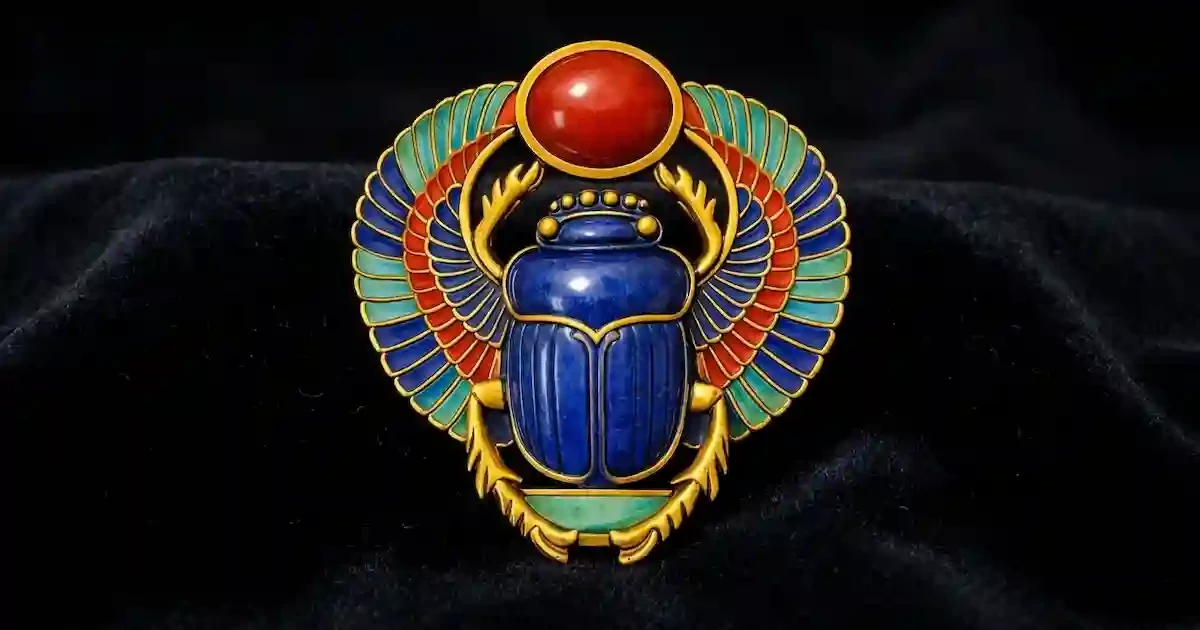
Among all symbols associated with renewal, none is more famous than the scarab.
The Egyptian Scarab Symbol
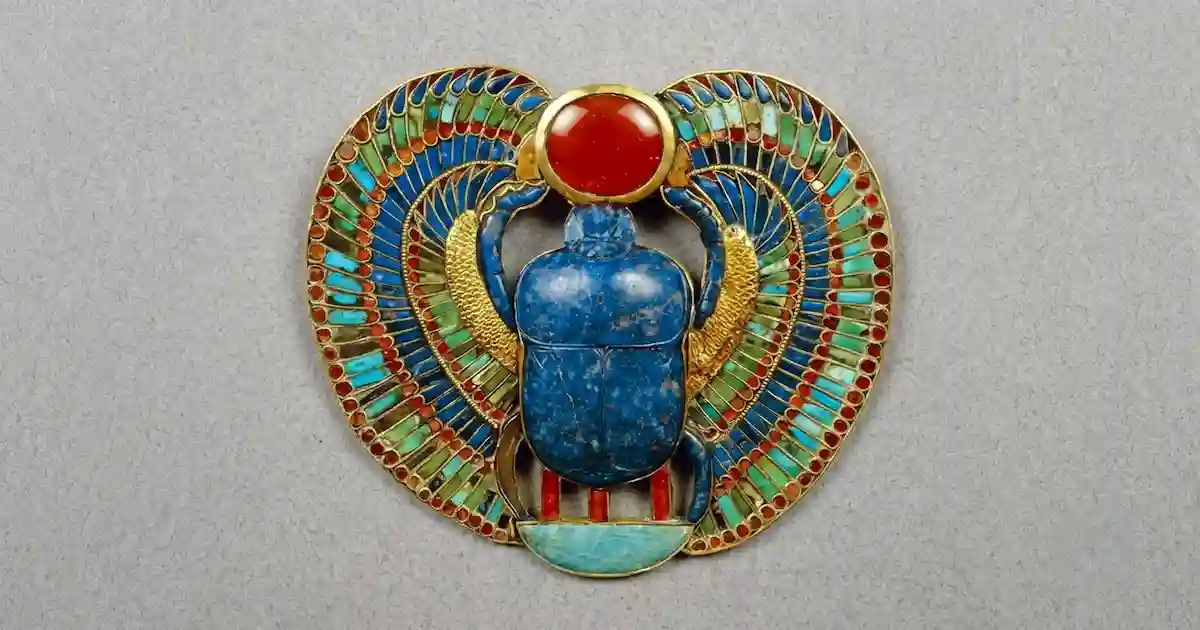
The egyptian scarab symbol was inspired by the dung beetle, a small insect that fascinated ancient observers.
Egyptians noticed scarabs rolling balls across the ground and associated this behavior with the movement of the sun across the sky.
The beetle became linked to Khepri, a solar deity who represented the rising sun and daily renewal.
As a result, the scarab evolved into the most recognizable ancient egyptian symbol of rebirth.
Its symbolism included:
New beginnings
Resurrection
Transformation
Protection
Divine creation
The scarab became one of the most widely used amulets in Egyptian history.
Scarabs in Tombs and Temples
Scarab imagery appeared throughout Egypt.
Visitors can still see scarab carvings in:
Karnak Temple
Luxor Temple
Royal tombs
Museum collections
Many scarab amulets were placed within mummies' wrappings to assist the deceased during their journey into the afterlife.
Others were worn during life as protective charms.
Even today, travelers visiting Egypt often purchase scarab-inspired jewelry as a reminder of renewal and personal transformation.
Other Ancient Egyptian Symbols of Rebirth
While the scarab may be the most famous symbol, it was far from the only one.
The Ankh
The Ankh, often called the "Key of Life," is among the most recognizable Egyptian symbols.
Its meaning extends beyond simple life itself.
The symbol represented:
Eternal existence
Divine vitality
Spiritual continuity
Gods and pharaohs are frequently depicted holding the Ankh, emphasizing their connection to eternal life.
For many scholars, the Ankh functions as an important egyptian symbol for rebirth because it represents existence beyond physical death.
The Bennu Bird
Long before the Greek phoenix appeared in mythology, Egypt had the Bennu bird.
Associated with the sun god Ra, the Bennu symbolized:
Renewal
Resurrection
Creation
Cyclical rebirth
Many historians consider the Bennu one of the earliest inspirations for later phoenix legends.
The image perfectly captured the Egyptian belief that life continually emerges from transformation.
The Lotus Flower
The lotus flower occupied a special place in Egyptian spirituality.
Each evening it closed beneath the water's surface.
Each morning it reopened toward the sunlight.
This daily cycle made the lotus a powerful symbol of:
Awakening
Renewal
Creation
Spiritual growth
Temple decorations frequently feature lotus motifs because they embodied the concept of continual rebirth.
The Djed Pillar
The Djed represented stability and endurance.
Although often associated with strength, it also symbolized resurrection through its connection to Osiris, god of the afterlife.
The pillar conveyed the idea that spiritual renewal requires a stable foundation.
Together, these symbols formed a rich visual language through which Egyptians expressed their understanding of life, death, and eternity.
Egyptian Symbols and Meanings Connected to Eternal Life
The remarkable aspect of Egyptian symbolism is how interconnected everything becomes.
No symbol existed in isolation.
Symbols Used in the Afterlife Journey
The deceased relied upon numerous sacred symbols for protection and guidance.
These included:
Scarabs
Ankhs
Eye of Horus amulets
Djed pillars
Lotus flowers
Each contributed to a larger spiritual framework focused on successful rebirth.
The walls of royal tombs illustrate how these symbols worked together to guide souls toward eternal existence.
Protection and Spiritual Transformation
Rebirth was not simply about returning to life.
It involved becoming something greater.
This emphasis on transformation explains why Egyptian religious art remains so compelling today.
Every image tells a story about growth, renewal, and transcendence.
For modern travelers exploring Egypt's temples and tombs, understanding these symbols transforms ancient artwork from decoration into a profound spiritual language.
The deeper one looks, the clearer it becomes that the ancient Egyptians viewed existence as an endless cycle of renewal, guided by powerful symbols that continue to inspire thousands of years later.
Egyptian Rebirth Symbol in Modern Culture
Thousands of years have passed since the last pharaoh ruled Egypt, yet the symbols of rebirth created by this ancient civilization continue to resonate across the world.
Today, many people are drawn to these symbols not only because of their historical significance but also because of their timeless message.
The idea of renewal, personal transformation, and overcoming challenges remains as meaningful now as it was in ancient times.
Egyptian Rebirth Symbol Tattoo
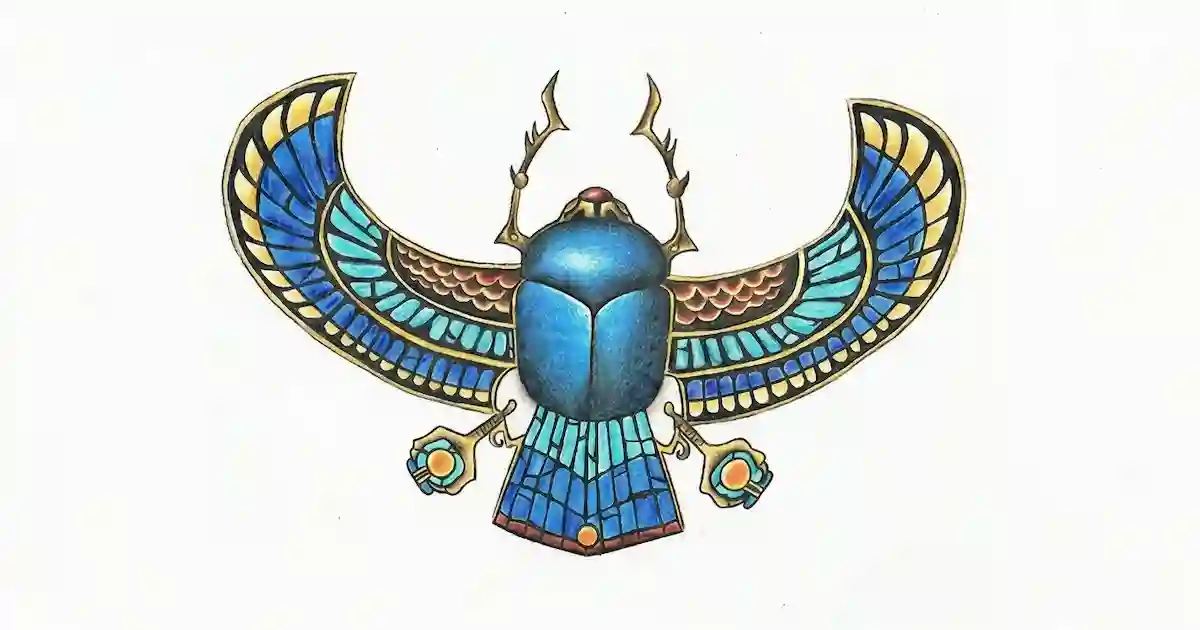
One of the most popular modern interpretations is the egyptian rebirth symbol tattoo.
People choose these designs for many reasons:
To mark a new chapter in life
To symbolize recovery from hardship
To represent spiritual growth
To honor personal transformation
To celebrate resilience and renewal
The scarab beetle remains the most common choice because its symbolism is easy to understand and deeply connected to rebirth.
Many tattoo designs also incorporate:
The Ankh
Lotus flowers
The Eye of Horus
Solar imagery
Hieroglyphic-inspired artwork
For travelers inspired by Egypt's ancient heritage, these symbols often become meaningful reminders of their experiences and personal journeys.
Jewelry and Contemporary Designs
Ancient motifs continue to influence modern luxury jewelry.
Designers frequently incorporate rebirth symbols into:
Necklaces
Rings
Bracelets
Pendants
Custom artwork
The scarab, lotus, and Ankh appear particularly often because they combine elegant aesthetics with powerful symbolism.
Many visitors discover these designs while exploring Egyptian markets, museum gift shops, and artisan workshops.
Unlike fleeting fashion trends, these symbols carry stories that have endured for millennia.
Where Travelers Can Discover Rebirth Symbols in Egypt
Few experiences compare to seeing these ancient symbols in the places where they originally appeared.
For travelers interested in Egyptian spirituality and symbolism, several destinations offer exceptional opportunities to explore this fascinating aspect of Egyptian culture.
Luxor Temples
Luxor is often described as the world's greatest open-air museum.
Within the vast temple complexes of Karnak and Luxor Temple, visitors can find countless examples of:
Scarab carvings
Solar symbols
Lotus motifs
Sacred iconography
Walking through these monuments reveals how deeply rebirth symbolism influenced Egyptian religious architecture.
The morning sunlight illuminating these ancient structures creates an atmosphere that feels remarkably close to what worshippers may have experienced thousands of years ago.
Valley of the Kings
The Valley of the Kings provides one of the most powerful introductions to Egyptian beliefs about rebirth.
Inside the tombs, walls are covered with:
Religious texts
Symbolic artwork
Afterlife imagery
Solar journeys
Resurrection scenes
These decorations were carefully designed to guide pharaohs through the next stage of existence.
Every corridor and burial chamber reinforces the Egyptian conviction that death represented transformation rather than finality.
Saqqara
Saqqara offers another remarkable opportunity to explore ancient rebirth symbolism.
The tombs and funerary complexes here contain some of the earliest surviving examples of Egyptian religious imagery.
Visitors frequently encounter:
Scarab motifs
Solar symbolism
Hieroglyphic inscriptions
Representations of Osiris
The site provides invaluable insight into the evolution of Egyptian spiritual thought.
Cairo Museums
The Egyptian Museum and the Grand Egyptian Museum contain extraordinary collections of symbolic artifacts.
Travelers can view:
Scarab amulets
Funerary objects
Jewelry
Sarcophagi
Sacred inscriptions
These artifacts demonstrate how rebirth symbolism permeated every level of Egyptian society.
Many visitors find that understanding these symbols transforms their museum experience from simple sightseeing into a much deeper exploration of ancient beliefs.
For those planning immersive cultural experiences, Egypt Tour Packages often combine these locations into carefully curated itineraries that bring Egypt's symbolic world vividly to life.
Why the Egyptian Rebirth Symbol Still Matters Today
The enduring appeal of the egyptian symbol of rebirth lies in its universal relevance.
Every person experiences change.
Every life includes periods of loss, transformation, and renewal.
Ancient Egyptians expressed these experiences through symbols that remain remarkably meaningful thousands of years later.
The scarab teaches perseverance.
The lotus symbolizes growth through adversity.
The Ankh reminds us of continuity and purpose.
The Bennu bird celebrates the possibility of beginning again.
These messages transcend time, culture, and geography.
Perhaps that is why Egyptian symbolism continues to captivate travelers, artists, historians, and spiritual seekers alike.
Behind every temple wall and carved inscription lies a timeless reminder that renewal is possible and that every ending can become a new beginning.
Egyptian Rebirth Symbol - FAQ
What is the main Egyptian rebirth symbol?
The scarab beetle is widely considered the primary Egyptian rebirth symbol.
It represented transformation, renewal, resurrection, and the daily rebirth of the sun.
What does the scarab symbolize in Ancient Egypt?
The scarab symbolized creation, protection, regeneration, and eternal life.
It was closely associated with the god Khepri and the rising sun.
Is the Ankh a symbol of rebirth?
Yes. Although the Ankh primarily represents life and immortality, it is also connected to rebirth because it symbolizes existence beyond physical death.
Why was the lotus flower important to Egyptians?
The lotus opened each morning and closed at night, making it a powerful symbol of renewal, awakening, and spiritual rebirth.
Where can I see Egyptian rebirth symbols in Egypt today?
Some of the best places include Karnak Temple, Luxor Temple, the Valley of the Kings, Saqqara, the Egyptian Museum, and the Grand Egyptian Museum.
Conclusion
The Egyptian Rebirth Symbol reveals one of the most profound aspects of ancient Egyptian civilization.
Through symbols such as the scarab beetle, the Ankh, the Bennu bird, and the lotus flower, Egyptians expressed a worldview built on renewal, transformation, and eternal life.
These symbols were far more than artistic decorations.
They served as guides, protectors, and reminders that life continues beyond every ending.
Their meanings shaped religious beliefs, inspired monumental architecture, and influenced countless generations.
For modern travelers, understanding the Egyptian Rebirth Symbol adds remarkable depth to every visit to Egypt's temples, tombs, and museums.
Explore our Egypt Tour Packages and discover the timeless symbols that continue to tell the story of one of history's greatest civilizations.