Supreme Egyptian God - Origins, Powers and Mythology
The first rays of sunlight spilling across the Nile have always carried a certain magic.
As golden light touches towering temples, ancient statues, and weathered hieroglyphs, it's easy to understand why the people of ancient Egypt believed a divine force ruled the heavens.
Standing among these monuments today, visitors often ask the same question: who was the Supreme Egyptian God?
The answer is more fascinating than many expect.
The Supreme Egyptian God was not simply a powerful deity but the center of an entire civilization's understanding of creation, kingship, order, and life itself.
Across thousands of years, different dynasties elevated different gods, yet one idea remained constant—a supreme divine power guided the universe.
Whether you're preparing for one of our Ancient Egyptian Gods guides, planning unforgettable Egypt Tour Packages, or experiencing history firsthand aboard luxurious Nile Cruises, understanding Egypt's greatest deity adds extraordinary depth to every temple you visit.
In this guide, you'll discover the origins of Egypt's supreme deity, explore legendary myths, understand divine symbols, learn about sacred powers, and see why these ancient beliefs still captivate travelers from around the world.
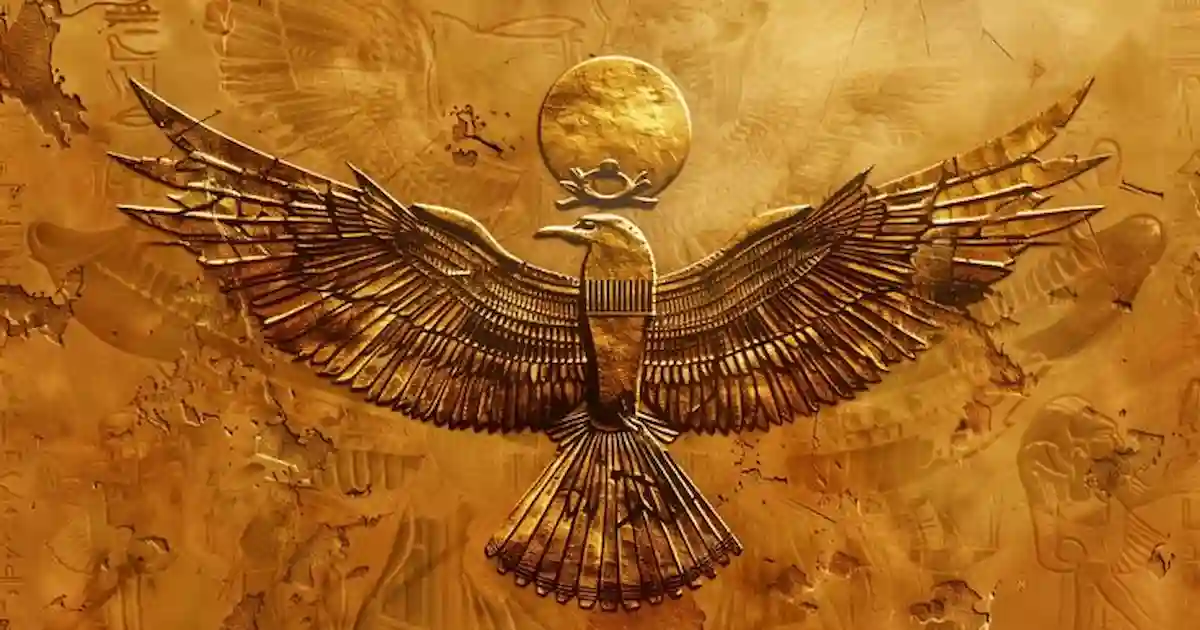
Table of Contents
Who Was the Supreme Egyptian God?
The evolution of supreme deities
Why different gods became supreme
Ra – The Greatest Solar Deity
The creator of the world
The daily journey across the sky
The Powers and Symbols of the Supreme Egyptian God
Divine authority
Sacred animals and symbols
Influence over kings
The Mythology Behind Egypt's Greatest God
Creation myths
Battles against chaos
Why the Supreme Egyptian God Still Fascinates Travelers
Temples to visit
Experiencing mythology in modern Egypt
Who Was the Supreme Egyptian God?
When people search for the supreme egyptian god name, they often expect a simple answer. Yet ancient Egyptian religion evolved over more than 3,000 years, making the story far richer than a single name.
The Evolution of Supreme Deities
Unlike many ancient religions, Egyptian beliefs changed over centuries.
Every major city honored its own patron god, while powerful pharaohs often promoted particular deities to national importance.
During the Old Kingdom, Ra rose to prominence as the great solar creator.
Later, political and religious developments elevated Amun, whose influence grew dramatically in Thebes.
Eventually, these two divine figures merged into Amun-Ra, representing both hidden creative force and visible solar power.
Because of these shifts, historians sometimes debate which egyptian god supreme title best fits history.
The answer depends on the period being discussed.
Nevertheless, Ra remains the figure most international visitors recognize as the ultimate creator because of his central role in Egyptian cosmology.
Why Ra Became Supreme
Ancient Egyptians observed the dependable rhythm of sunrise and sunset every day.
To them, this wasn't merely astronomy—it was proof of divine order.
Ra emerged from the primordial waters at the beginning of time.
Through his words alone, he created the heavens, the earth, humanity, and the other gods.
Every sunrise represented creation happening once again.
This belief connected every aspect of Egyptian life.
The annual flooding of the Nile. The changing seasons. Agricultural prosperity.
The legitimacy of every pharaoh. Each depended upon Ra maintaining cosmic balance.
The concept known as Ma'at—truth, harmony, and universal order—became inseparable from the supreme deity's responsibilities.
Even today, visitors standing before the massive columns of Karnak or watching sunrise at Abu Simbel can appreciate why sunlight inspired such profound spiritual devotion.
According to Wikipedia, Ra became one of Egypt's most significant gods and was worshipped throughout much of ancient Egyptian history.
The magnificent temples recognized today by UNESCO World Heritage Sites also demonstrate how central solar worship was to Egyptian civilization.
As travelers explore Egypt, this understanding transforms ancient ruins into living stories instead of silent stones.
Every carved falcon, every solar disk, and every royal inscription begins to reveal its deeper meaning.
The journey only becomes more fascinating as we explore the extraordinary powers attributed to Egypt's greatest creator god.
Ra – The Greatest Solar Deity
Few figures in world mythology have enjoyed the enduring influence of Ra.
Long before the great civilizations of Greece or Rome reached their height, Egyptians looked to the rising sun as the visible face of divine power.
For centuries, Ra was regarded as the Supreme Egyptian God, the creator whose light sustained both the natural world and human civilization.
Today, many travelers encounter his image while visiting temples across Egypt.
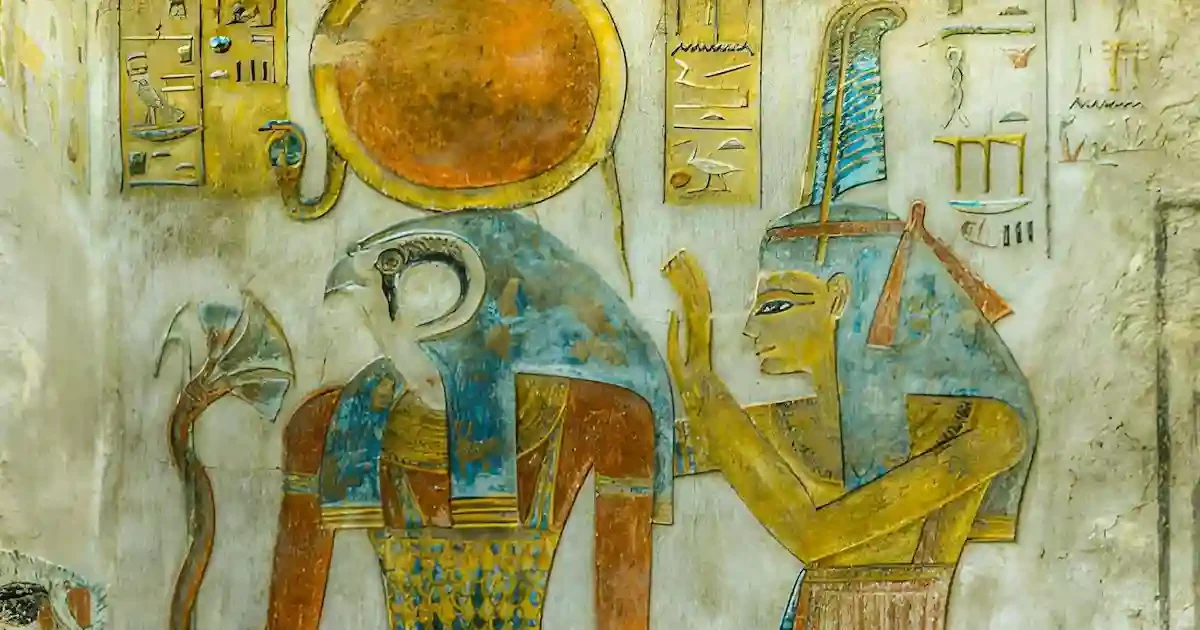
A falcon-headed figure crowned with a radiant solar disk appears on towering walls, painted ceilings, and finely carved reliefs.
Once you recognize him, you'll begin noticing Ra almost everywhere.
The Creator of the World
According to one of the most influential Egyptian creation myths, everything began in endless darkness and the chaotic waters known as Nun.
From these primordial waters, Ra emerged by his own power.
Unlike many mythologies in which gods battle to create the world, Ra simply spoke creation into existence. His words brought forth:
the sky
the earth
the air
moisture
plants
animals
humanity
the other Egyptian gods
Because of this role, the supreme egyptian god meaning extends far beyond kingship or power. Ra represented the very beginning of existence itself.
Ancient Egyptians believed every sunrise recreated the miracle of creation. Each dawn was not merely another day—it was proof that order had once again defeated chaos.
This philosophy explains why temples were carefully aligned with the rising sun. During certain times of the year, sunlight illuminates sacred sanctuaries with astonishing precision, demonstrating the Egyptians' extraordinary architectural knowledge.
For modern visitors exploring Egypt through carefully designed Egypt Tour Packages, witnessing sunrise at one of these ancient temples offers an unforgettable connection to beliefs that flourished thousands of years ago.
The Daily Journey Across the Sky
Perhaps no myth better illustrates the supreme egyptian god powers than Ra's daily voyage across the heavens.
Each morning, he sailed across the eastern sky aboard the Mandjet, or Solar Barque.
As daylight spread across Egypt, his journey symbolized life, hope, prosperity, and protection.
At sunset, however, Ra's work was only half complete.
He descended into the mysterious underworld aboard another sacred vessel called the Mesektet.
Throughout the night, he faced terrifying supernatural creatures before confronting his greatest enemy—the giant serpent Apophis, also known as Apep.
Apophis embodied chaos, darkness, and destruction.
Every night, this monstrous serpent attempted to stop the sun from rising again.
Yet Ra triumphed every single night.
His victory ensured another sunrise and the continuation of cosmic order.
For the ancient Egyptians, this eternal struggle explained the cycle of day and night while reinforcing a powerful spiritual lesson: light continually overcomes darkness.
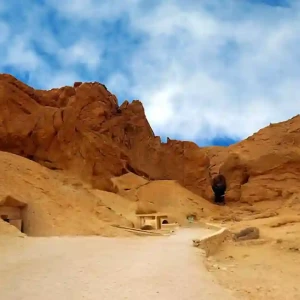
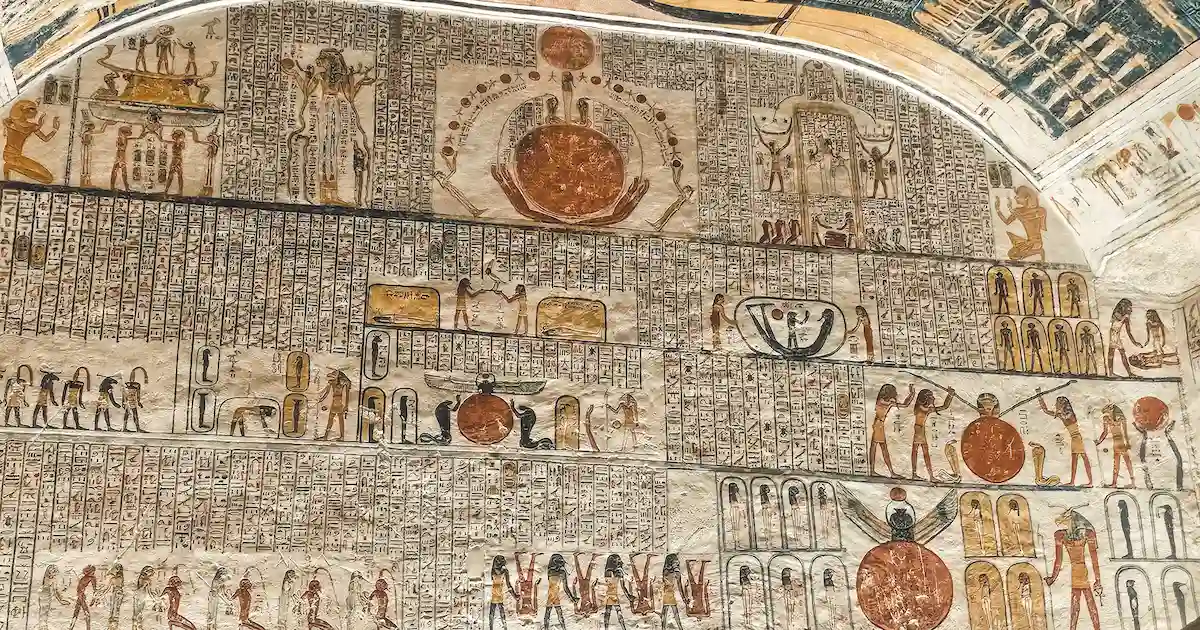
Many of the beautifully decorated royal tombs in the Valley of the Kings illustrate this nightly voyage. The painted walls serve almost as illustrated guidebooks through the underworld, allowing visitors to follow Ra's incredible journey step by step.
If you're planning luxurious Nile Cruises, you'll discover that many itineraries include these remarkable sites, where mythology and archaeology blend into one unforgettable experience.
Ra's influence reached far beyond religious rituals. His authority shaped Egyptian politics, royal ceremonies, architecture, and even daily life, making him the undisputed egyptian gods supreme figure for much of ancient history.
The Powers and Symbols of the Supreme Egyptian God
Understanding the Supreme Egyptian God means looking beyond myths and into the symbols that surrounded everyday life in ancient Egypt.
Every temple wall, royal crown, and sacred object carried deeper meaning.
These symbols reminded people that divine power was present not only in heaven but also in the world around them.
Divine Powers That Sustained the Universe
Unlike many mythological gods who governed only one aspect of nature, Ra possessed a remarkably broad range of responsibilities.
Among the most important supreme egyptian god powers were:
Creating all living things.
Maintaining cosmic order (Ma'at).
Bringing daylight to the world.
Protecting humanity from chaos.
Guiding the souls of the deceased.
Granting legitimacy to every pharaoh.
Ensuring the annual cycle of renewal and prosperity.
The Egyptians believed that if Ra ever failed in his duties, the universe itself would collapse into darkness.
This belief explains why religious ceremonies were performed daily in temples across Egypt.
Priests weren't worshipping the sun itself—they were helping preserve the balance of creation.
The Supreme Egyptian God Symbol
One of the most recognizable supreme egyptian god symbol representations is the brilliant solar disk resting above a falcon's head.
This iconic image appears throughout Egypt and immediately identifies Ra.
Other important symbols include:
The Sun Disk – representing life, creation, and divine authority.
The Falcon – symbolizing vision, strength, and kingship.
The Solar Barque – illustrating Ra's daily journey through heaven and the underworld.
The Scarab Beetle (Khepri) – representing rebirth and the rising sun.
The Eye of Ra – symbolizing divine protection, justice, and immense power.
Travelers often mistake the Eye of Ra for the Eye of Horus, but the two symbols have different meanings.
The Eye of Ra represents the sun's fierce protective energy, while the Eye of Horus is more closely associated with healing and restoration.
Recognizing these symbols transforms a visit to temples like Karnak, Luxor, or Edfu into a richer experience. Instead of simply admiring beautiful carvings, you'll begin to understand the stories hidden within them.
Many travelers find it helpful to read about the Ancient Egyptian Gods before arriving in Egypt, making every relief and inscription far more meaningful.
The Divine Connection Between Ra and the Pharaohs
Ancient Egyptian kings were not considered ordinary rulers.
Each pharaoh was believed to govern on behalf of the gods and, in many periods, was regarded as the earthly son of Ra himself.
This divine relationship gave political authority a sacred foundation.
Coronation rituals, temple ceremonies, and royal monuments all reinforced the idea that maintaining harmony on Earth mirrored the cosmic order established by the Supreme Egyptian God.
Even the layout of monumental temples reflected this belief.
Long processional avenues, towering obelisks, and sunlit sanctuaries were designed to honor Ra's journey across the sky and emphasize the pharaoh's role as guardian of Ma'at.
For today's visitors, these monuments are more than archaeological wonders—they are lasting reminders of a civilization that saw no separation between religion, nature, and kingship.
Understanding the symbols and powers of Ra brings these ancient sites vividly to life and deepens every journey through Egypt.
The Mythology Behind the Supreme Egyptian God
Ancient Egypt was never just a land of magnificent temples and colossal statues.
It was a civilization built on stories—stories that explained why the sun rose each morning, why the Nile flooded each year, and why order always had to triumph over chaos.
At the heart of these beliefs stood the Supreme Egyptian God, whose mythology shaped one of history's longest-lasting civilizations.
Unlike modern myths that exist purely for entertainment, Egyptian mythology guided politics, religion, architecture, and daily life.
Every ceremony performed inside a temple reflected the belief that the universe depended on the actions of the gods.
The Creation of the Universe
Several creation stories emerged from different religious centers across Egypt, but Ra remained the central creator in many of the most influential traditions.
Before creation, there was only Nun—a limitless ocean of dark, silent waters. From this endless void, Ra appeared by his own will, bringing light into a world that had never known it.
From Ra came the first divine beings:
Shu, the god of air
Tefnut, the goddess of moisture
Geb, the god of the earth
Nut, the goddess of the sky
These deities eventually became the parents of Osiris, Isis, Seth, and Horus, forming one of the most famous divine families in Egyptian mythology.
This lineage illustrates why the supreme egyptian god meaning extends beyond simple rulership.
Ra was viewed as the source from which all divine and earthly life flowed, making him both creator and protector of existence.
For travelers exploring museums in Cairo or temple complexes in Luxor, recognizing these family connections helps transform rows of carved figures into a rich narrative that unfolds across centuries.
The Eternal Battle Against Chaos
One of the most dramatic myths surrounding the Supreme Egyptian God tells of his nightly struggle against Apophis, the giant serpent of chaos.
Every evening, after disappearing below the western horizon, Ra boarded his sacred boat and entered the underworld. During this dangerous journey, he encountered monstrous beings determined to stop the sun from rising again.
The greatest of these enemies was Apophis.
This colossal serpent represented everything the Egyptians feared:
Darkness
Disorder
Destruction
Uncertainty
Death
Each night, Apophis attempted to swallow the solar barque and plunge the world into eternal darkness.
Yet every dawn proved that Ra had prevailed once again.
This recurring victory became one of the strongest symbols of hope in Egyptian religion.
It reminded people that no matter how powerful chaos appeared, balance and light would ultimately return.
Many tombs in the Valley of the Kings feature beautifully preserved illustrations of this journey.
These intricate paintings served not only as decoration but also as sacred texts, guiding the deceased through the afterlife while celebrating Ra's triumph over evil.
Today, visitors often find these chambers among the most memorable stops on luxury Nile Cruises, where expert guides bring these timeless stories to life.
Ra's Legacy in Ancient Egyptian Religion
Although other gods gained prominence during different dynasties, Ra's influence never truly disappeared.
As Egyptian religion evolved, priests combined Ra with Amun, creating Amun-Ra, a deity who united invisible divine power with the visible strength of the sun.
This fusion reflected both religious development and political unity, particularly during the New Kingdom.
Even centuries later, pharaohs continued to associate themselves with the solar creator.
Monumental temples, obelisks, and inscriptions emphasized their connection to Ra, reinforcing the belief that earthly kingship mirrored divine order.
The legacy of the egyptian god supreme can still be seen throughout Egypt today.
From the towering pylons of Karnak to the sacred sanctuary of Abu Simbel, countless monuments celebrate the enduring power of the sun god and the civilization that revered him.
For readers who wish to explore the historical foundations of these beliefs in greater depth, the articles on UNESCO World and Wikipedia's page on Ra provide valuable background alongside archaeological evidence.
Why the Supreme Egyptian God Still Fascinates Travelers
Thousands of years have passed since priests greeted the sunrise with hymns to Ra, yet the fascination surrounding the Supreme Egyptian God remains as strong as ever.
Visitors from every corner of the world travel to Egypt not only to admire its monuments but also to experience the spiritual atmosphere that still lingers within these ancient landscapes.
Standing before a temple at dawn, it's easy to imagine why the Egyptians believed the sun itself carried divine power.
Walk Through the World of the Gods
Egypt offers an extraordinary opportunity to follow the footsteps of one of history's greatest civilizations.
Some of the best places to discover the legacy of Ra include:
Karnak Temple – one of the largest religious complexes ever built, where solar symbolism appears throughout its vast halls.
Abu Simbel – famous for the remarkable alignment of sunlight that illuminates the sanctuary on specific days each year.
Heliopolis – once the principal center of Ra's worship and one of ancient Egypt's most important religious cities.
Valley of the Kings – where richly decorated tombs depict the sun god's nightly journey through the underworld.
Luxor Temple – a masterpiece of New Kingdom architecture celebrating divine kingship and cosmic order.
These remarkable sites reveal how mythology, architecture, and astronomy came together in perfect harmony.
Bringing Ancient Stories to Life
Reading about mythology is inspiring, but experiencing these places in person creates a much deeper connection.
As the sun rises over the Nile, the stories of Ra no longer feel distant or abstract.
The warm glow across sandstone columns, the carefully carved hieroglyphs, and the silence of ancient sanctuaries allow visitors to appreciate the worldview of the people who built them.
Many travelers choose expertly planned Egypt Tour Packages that combine historical exploration with modern comfort, allowing them to visit these iconic sites with knowledgeable guides who explain the symbolism hidden within every monument.
A luxury Nile Cruise adds another unforgettable dimension to the journey.
Sailing the same river that nourished ancient Egypt offers a perspective that has changed little over thousands of years.
Watching the sunrise from the deck of a cruise ship is perhaps the closest modern travelers can come to experiencing the daily rebirth celebrated by the worshippers of Ra.
Understanding the Supreme Egyptian God enriches every step of an Egyptian adventure. What begins as curiosity about mythology soon becomes a deeper appreciation for a civilization that viewed the universe as a delicate balance between light and darkness, order and chaos, humanity and the divine.
This enduring legacy is one of the many reasons Egypt continues to captivate luxury travelers, history enthusiasts, and curious explorers alike.
Conclusion
The story of the Supreme Egyptian God is far more than an ancient legend.
It is a window into the beliefs, values, and remarkable achievements of one of the world's greatest civilizations.
From the first rays of dawn over the Nile to the magnificent temples that still stand today, the legacy of Ra continues to inspire awe and curiosity.
Whether you're fascinated by mythology, passionate about archaeology, or planning your first journey to Egypt, understanding the origins, powers, and symbolism of the Supreme Egyptian God will make every temple, tomb, and monument far more meaningful.
You'll begin to see ancient carvings not simply as works of art, but as chapters of a timeless story that shaped an empire.
If you're ready to experience these legendary places firsthand, explore our Egypt Tour Packages, discover the magic of luxury Nile Cruises, and dive deeper into the fascinating world of the Ancient Egyptian Gods.
The monuments of Egypt have stood for millennia—and they are waiting to share their stories with you.
Supreme Egyptian God - FAQ
Who was the Supreme Egyptian God?
Most historians identify Ra as the Supreme Egyptian God because of his role as the creator and sun deity.
During different periods of Egyptian history, however, other gods such as Amun gained prominence, and the two were eventually worshipped together as Amun-Ra.
What were the powers of the Supreme Egyptian God?
The supreme egyptian god powers included creating the universe, maintaining Ma'at (cosmic order), bringing daylight, protecting humanity from chaos, and guiding the cycle of life, death, and rebirth.
Egyptians believed these divine responsibilities kept the world in balance.
What is the symbol of the Supreme Egyptian God?
The most recognized supreme egyptian god symbol is the solar disk resting above a falcon's head.
Other important symbols include the Solar Barque, the Eye of Ra, and the scarab beetle, each representing aspects of creation, protection, and renewal.
Why is Ra considered the greatest Egyptian god?
Ra became the central creator deity because ancient Egyptians viewed the sun as the source of all life.
His daily journey across the sky symbolized creation and renewal, while his nightly victory over Apophis represented the triumph of order over chaos.
Learning about Ra before exploring the temples featured in our Egypt Tour Packages can make your visit even more rewarding.
Where can travelers learn more about the Supreme Egyptian God in Egypt?
Some of the best places include Karnak Temple, Luxor Temple, Abu Simbel, the Valley of the Kings, and the Egyptian Museum in Cairo.
Many guided Nile Cruises and cultural tours include expert explanations of these sites, while our guide to the Ancient Egyptian Gods provides additional background before your journey.