What Does the Eye Symbol Mean ? Origins and Hidden Meanings
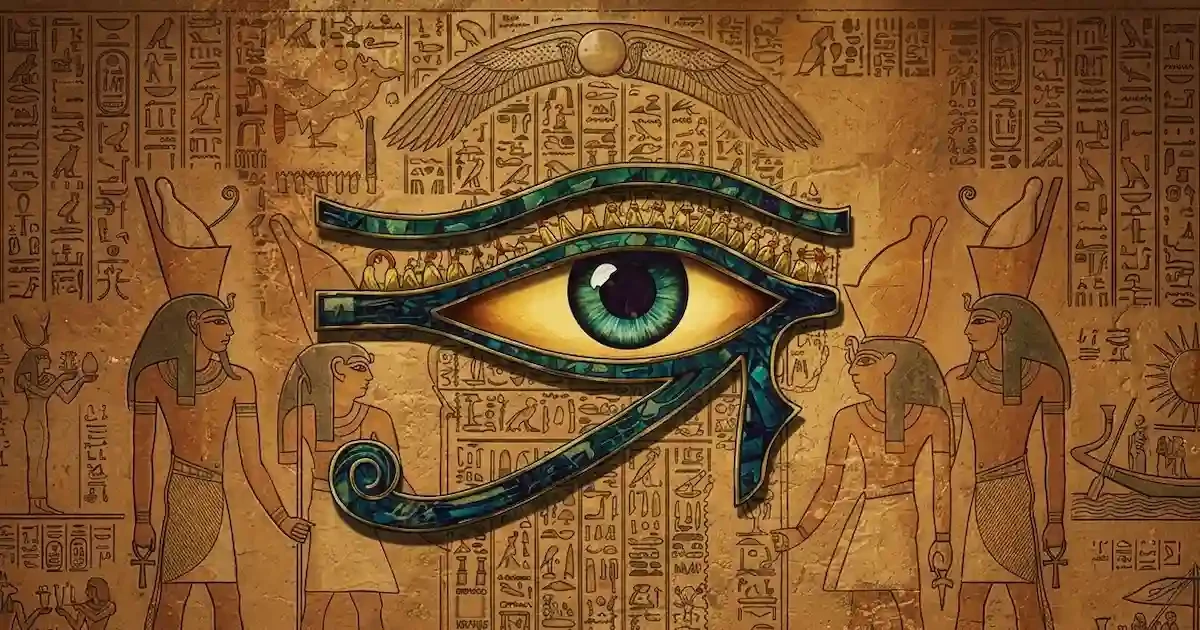
Imagine standing inside an ancient Egyptian temple just after sunrise.
Golden rays filter through towering stone columns, illuminating carvings that have survived thousands of years.
Among the hieroglyphs, one symbol appears again and again: an eye.
It stares back from walls, jewelry, amulets, and sacred texts, carrying meanings that continue to fascinate travelers, historians, and spiritual seekers today.
So, What Does the Eye Symbol Mean? Why has this simple image appeared in cultures separated by oceans and centuries? Is it a symbol of protection, divine wisdom, spiritual awareness, or something even deeper?
For travelers exploring Egypt and lovers of ancient civilizations, understanding these symbols adds a whole new dimension to the journey.
During many Egypt Day Tours, visitors encounter eye motifs in temples, museums, and tombs without realizing the rich stories behind them.
In this guide, you'll discover the origins of the eye symbol, its role in Ancient Egypt, its significance in Christianity and Islam, and why it remains one of humanity's most powerful symbols today.
Table of Contents
What Does the Eye Symbol Mean? A Universal Symbol
Why the Eye Appears Across Civilizations
The Psychological Power of the Eye
What Does the Eye Symbol Mean in Egypt?
The Eye of Horus
The Eye of Ra
Spiritual and Religious Meanings of the Eye Symbol
Eye Symbol Meaning Christianity
Eye Symbol Meaning in Islam
Modern Interpretations of the Eye Symbol
Evil Eye Symbolism
Digital and Everyday Uses
Why Travelers Are Fascinated by Ancient Eye Symbols
Experiencing the Symbol in Egypt
Best Places to See Eye Symbols
FAQ
Conclusion
What Does the Eye Symbol Mean? A Universal Symbol
Throughout history, the eye has represented awareness, knowledge, protection, truth, and divine observation.
Nearly every civilization has adopted some version of the eye symbol, giving it unique cultural meanings while preserving its core symbolism.
Why the Eye Appears Across Civilizations
Humans naturally associate vision with understanding. We "see" the truth, "gain insight," and "watch over" loved ones. Because sight is one of our most powerful senses, cultures throughout history transformed the eye into a symbol of wisdom and awareness.
Ancient Egyptians, Greeks, Romans, Hindus, Christians, and Muslims all used eye imagery in various spiritual traditions. Despite cultural differences, the eye consistently symbolized a connection between earthly life and higher knowledge.
The Psychological Power of the Eye
Researchers have found that eye imagery triggers strong psychological responses.
People instinctively feel observed when they see eyes, even artistic representations.
This may explain why the symbol became associated with divine protection and moral guidance.
The one eye symbol meaning often relates to focused perception, higher consciousness, or a divine presence watching over humanity.
Whether carved into stone or worn as jewelry, the eye communicates awareness and protection.
What Does the Eye Symbol Mean in Egypt?
No civilization embraced eye symbolism more profoundly than Ancient Egypt.
Walking through temples in Luxor, Aswan, or Cairo, visitors frequently encounter eye motifs that tell stories of gods, kings, healing, and protection.
These symbols remain among Egypt's most recognizable cultural icons.
The Eye of Horus
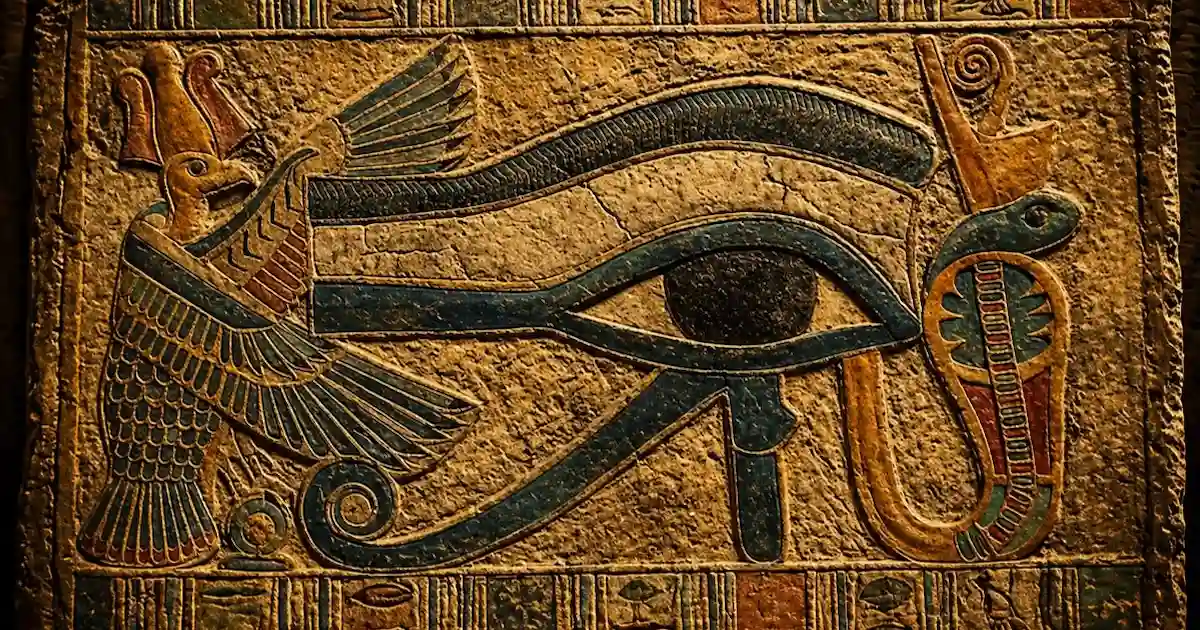
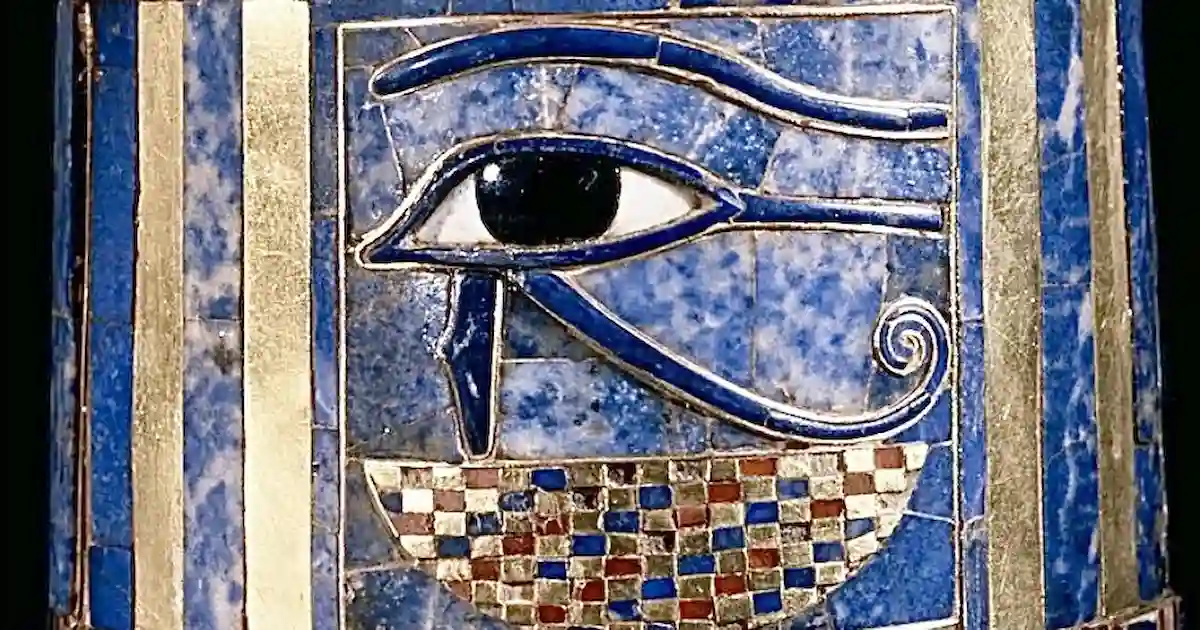
The Eye of Horus, known as the Wadjet Eye, represents healing, restoration, and protection.
According to Egyptian mythology, Horus lost his eye during a battle with Seth.
The eye was later restored, symbolizing recovery, wholeness, and victory over adversity.
Ancient Egyptians wore Eye of Horus amulets to protect themselves from illness, bad luck, and harmful forces.
The symbol appeared in tombs, temples, and royal artifacts.
Today, travelers can view remarkable examples in the Egyptian Museum and at many archaeological sites included in popular Cairo Day Tours.
The Eye of Ra
The Eye of Ra differs from the Eye of Horus despite their visual similarities.
While Horus's eye represented healing, the Eye of Ra symbolized the sun's immense power and the protective force of the sun god Ra.
Egyptian myths describe the Eye of Ra as an extension of divine authority capable of defending cosmic order.
Many historians consider it one of the most powerful religious symbols in Egyptian mythology.
For deeper historical context, Wikipedia provides a useful overview of the Eye of Horus.
Spiritual and Religious Meanings of the Eye Symbol
As civilizations evolved, the eye symbol continued to acquire new spiritual interpretations.
Eye Symbol Meaning Christianity
In Christianity, the eye often represents God's omniscience.
One well-known example is the Eye of Providence, depicted as a single eye enclosed within a triangle.
This symbol communicates the belief that God sees all things and guides humanity through divine wisdom.
Church architecture, religious paintings, and historical manuscripts frequently feature eye imagery as a reminder of spiritual accountability and divine presence.
The eye symbol meaning Christianity therefore centers on guidance, faith, and God's watchful care over creation.
Eye Symbol Meaning in Islam
The eye symbol meaning in Islam is more nuanced.
While the eye itself is not a central Islamic religious symbol, the concept of protection from envy and harmful intentions is deeply rooted in Islamic tradition.
Many Muslim communities use protective amulets associated with warding off the "evil eye," although interpretations vary across regions and scholars.
The concept emphasizes seeking God's protection from jealousy and negative influences rather than relying solely on physical symbols.
UNESCO offers valuable resources about the cultural heritage of ancient Egypt and related traditions.
What Does the Eye Symbol Mean Spiritually?
Spiritually, the eye often represents intuition, enlightenment, awareness, and inner vision.
Many people associate the eye with the "third eye," believed to symbolize heightened consciousness and deeper understanding.
When people ask what does the eye symbol mean spiritually, they are often exploring ideas of self-discovery, wisdom, and connection to something greater than themselves.
Modern Interpretations of the Eye Symbol
Ancient meanings continue to influence modern culture in fascinating ways.
What Does the Evil Eye Symbol Mean?
One of today's most recognizable eye designs is the evil eye.
So, what does the evil eye symbol mean?
Contrary to popular belief, the symbol itself is not evil.
It is intended to protect against harmful envy, jealousy, and negative energy.
The blue eye amulet commonly seen in Mediterranean and Middle Eastern countries serves as a protective talisman believed to reflect negative intentions away from its owner.
What Does the Evil Eye Hand Symbol Mean?
The eye often appears within a hand-shaped amulet called the Hamsa.
People frequently ask, what does the evil eye hand symbol mean.
Traditionally, it combines two protective symbols: the eye and the open hand.
Together, they symbolize protection, blessings, strength, and good fortune.
Everyday Eye Symbols
Modern technology has introduced entirely new meanings.
Many users wonder what does the eye symbol mean on my phone.
In most apps, it indicates visibility, viewing activity, or privacy settings.
Similarly, what does the eye symbol mean on Group Me usually refers to message views and read receipts.
Meanwhile, what does the eye symbol mean on a necklace often depends on the wearer's intention.
It may represent protection, spirituality, fashion, or a connection to ancient cultures.
Why Travelers Are Fascinated by Ancient Eye Symbols
The eye symbol becomes far more meaningful when experienced in its original cultural setting.
Experiencing the Symbol in Egypt
Standing before temple walls in Luxor or gazing at ancient artifacts in Cairo creates a connection that books simply cannot replicate.
The carvings, colors, and mythology surrounding Egyptian eye symbols reveal how deeply spirituality influenced everyday life thousands of years ago.
Visitors often leave Egypt with a greater appreciation for how symbols shape human culture and identity.
Best Places to See Eye Symbols
Some of the best locations include:
Egyptian Museum in Cairo
Karnak Temple
Luxor Temple
Temple of Edfu
Philae Temple in Aswan
The beauty of Egypt lies not only in its monuments but also in the stories hidden within every carving and symbol.
Conclusion
The answer to What Does the Eye Symbol Mean is far richer than most people imagine.
Across civilizations, religions, and centuries, the eye has represented protection, wisdom, awareness, healing, and divine guidance.
From the Eye of Horus and the Eye of Ra in Ancient Egypt to Christian and Islamic interpretations, this enduring symbol continues to inspire curiosity and fascination around the world.
For travelers, understanding these meanings transforms ancient temples and artifacts from beautiful sights into living stories.
If you're planning to explore Egypt's remarkable heritage firsthand, consider joining expertly guided Egypt Day Tours and Cairo Day Tours to discover the symbols, legends, and history that bring the ancient world to life.
What Does the Eye Symbol Mean - FAQ
What does the symbol of an eye mean?
The eye symbol generally represents awareness, protection, wisdom, and spiritual insight. Different cultures interpret it differently, but the core themes remain remarkably similar.
What does the eye symbol mean in Egypt?
In Ancient Egypt, eye symbols such as the Eye of Horus and Eye of Ra represented healing, protection, royal power, and divine authority.
What does the evil eye symbol mean?
The evil eye symbol is traditionally used as protection against envy, jealousy, and negative intentions. Many cultures believe it helps ward off harmful influences.
Is the eye symbol connected to religion?
Yes. The symbol appears in Christianity, Islam, and many ancient belief systems. Each tradition assigns its own meanings while often emphasizing divine awareness and protection.
Where can I see famous eye symbols in Egypt?
The Egyptian Museum, Karnak Temple, Luxor Temple, Edfu Temple, and Philae Temple all contain important examples. Many guided Cairo Day Tours include visits to sites featuring these iconic symbols.