What Items or Symbols Were Used to Decorate Tombs ?
Step inside an ancient Egyptian tomb and the silence feels almost alive.
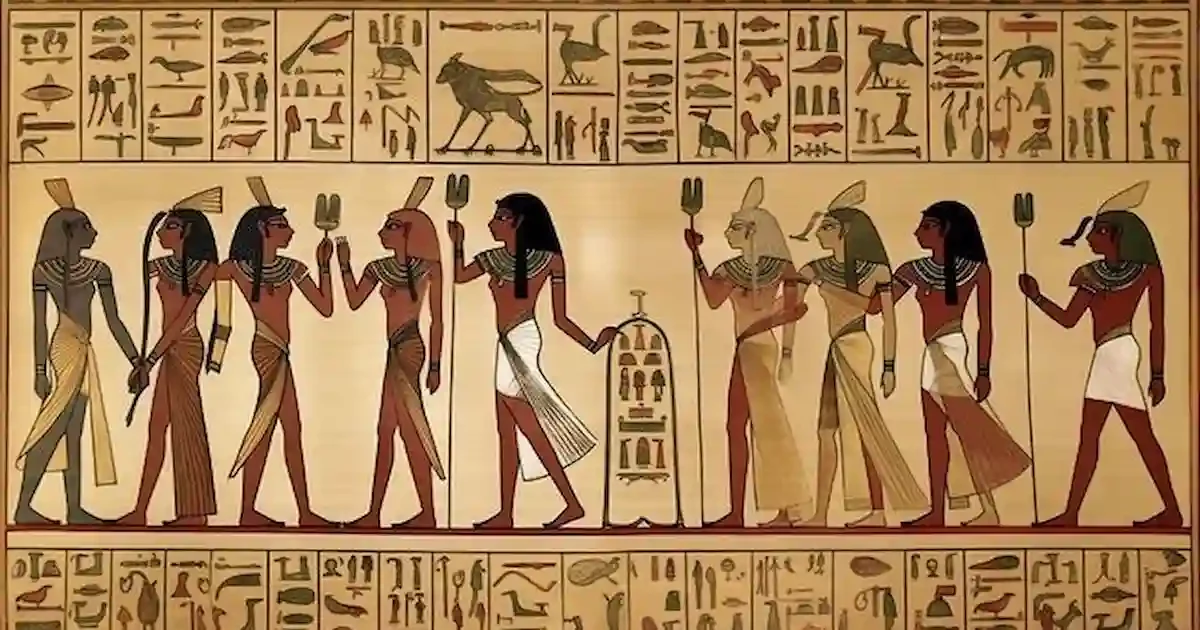
Soft light reveals walls covered in vibrant paintings, mysterious hieroglyphs, and sacred symbols that have survived for thousands of years.
Travelers who visit Egypt often ask, What Items or Symbols Were Used to Decorate Tombs? The answer is far more fascinating than most people imagine.
Ancient Egyptians did not view tombs as simple burial places.
They believed these sacred spaces were gateways to eternity.
Every image, object, and inscription served a purpose, helping the deceased navigate the afterlife and ensuring their memory lived on forever.
If you're planning to explore Egypt's archaeological treasures through our Egypt Tour Packages, understanding these symbols will transform the way you experience temples, tombs, and museums.
Throughout this guide, we'll uncover the meanings behind famous Egyptian symbols, the artistic traditions of royal tombs, and the stories these remarkable monuments continue to tell today.
Table of Contents
What Items or Symbols Were Used to Decorate Tombs?
The Purpose of Tomb Decoration
Why Egyptians Invested in Burial Art
Sacred Egyptian Symbols Found in Tombs
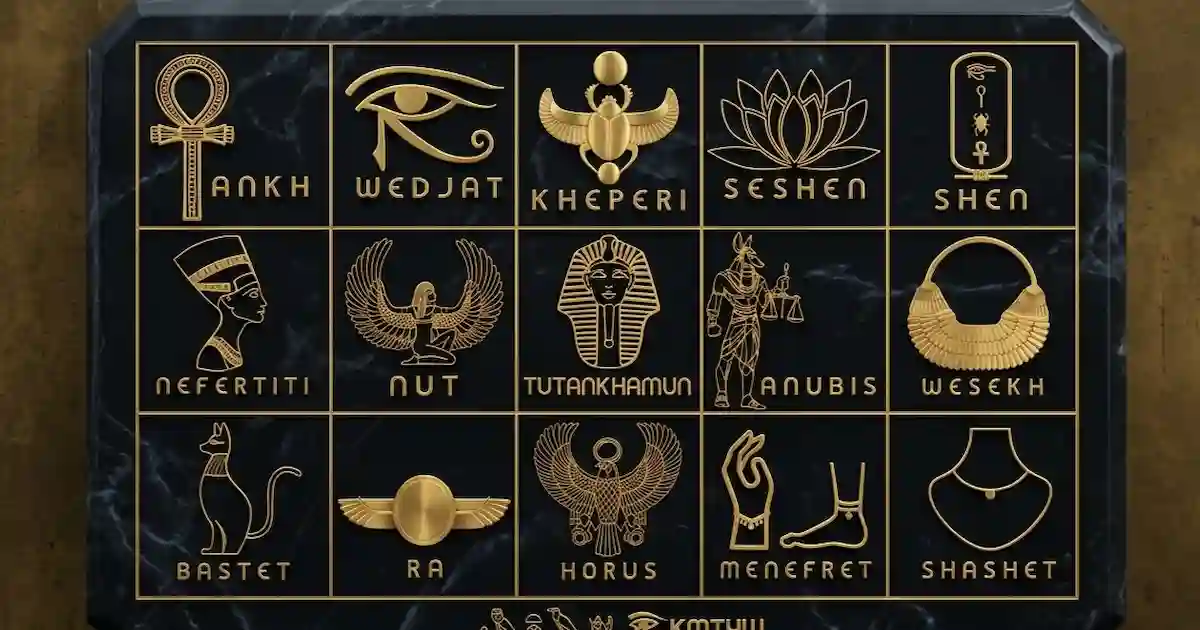
The Ankh
The Eye of Horus
The Scarab Beetle
The Djed Pillar
Wall Paintings, Hieroglyphs, and Daily Life Scenes
Stories of the Afterlife
Preserving Life Through Art
Statues, Sculptures, and Funerary Objects
Royal Sculptures and Symbolism
Treasures Buried with Pharaohs
Tomb Decoration and the Legacy of the Pyramids
Compare and Contrast the Three Pyramids of Giza
Label the Three Pyramids of Giza: Which Is the Largest?
What Egyptian Symbols Mean Today
Top Ancient Egyptian Symbols with Meanings
Egyptian Symbols and Their Meanings Explained
What Items or Symbols Were Used to Decorate Tombs?
The Purpose of Tomb Decoration
To modern visitors, ancient Egyptian tombs often resemble underground art galleries.
Yet every decoration carried profound religious significance.
Egyptians believed death marked the beginning of another journey rather than an ending.
Tomb decorations were designed to support and protect the deceased during this transition.
Painted scenes frequently depicted offerings of food, drink, and valuable possessions.
These images were thought to magically provide sustenance in the afterlife.
The walls also featured gods, protective spirits, and sacred texts intended to guide the dead safely through the underworld.
Many travelers searching online for what items or symbols were used to decorate tombs quizlet or what items or symbols were used to decorate tombs brainly are surprised to learn that tomb decoration was deeply connected to Egyptian religious beliefs.
Nothing was placed randomly. Every detail reflected a spiritual purpose.
Why Egyptians Invested in Burial Art
Creating a royal tomb could take decades.
Skilled artists, sculptors, and craftsmen worked together to produce masterpieces designed to last forever.
Among the most common decorative elements were:
Hieroglyphic inscriptions
Images of Egyptian gods
Funerary texts
Sacred animals
Gold treasures
Statues of servants and deities
Protective amulets
Scenes from daily life
According to UNESCO's documentation of ancient Egyptian heritage, these tombs provide some of the world's most valuable records of ancient civilization and religious practice.
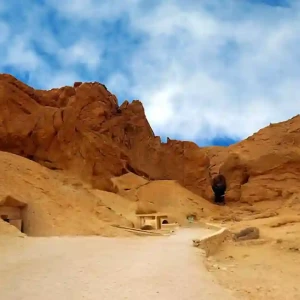
For visitors exploring Luxor's Valley of the Kings, the extraordinary preservation of these artworks offers a direct connection to a culture that flourished more than three millennia ago.
Sacred Egyptian Symbols Found in Tombs
Among the most fascinating aspects of tomb decoration are the symbols themselves.
Understanding what does each Egyptian symbol mean reveals a sophisticated belief system centered on protection, rebirth, and eternal life.
The Ankh
Perhaps the most recognizable Egyptian symbol, the Ankh resembles a cross topped with a loop.
It represented life and immortality.
Gods are often shown holding Ankhs near the noses of pharaohs, symbolically granting the breath of eternal life.
The Eye of Horus
The Eye of Horus symbolized healing, protection, and restoration.
Tomb builders frequently included it on walls, coffins, and jewelry.
Even today, travelers purchase replicas throughout Egypt as symbols of good fortune and protection.
The Scarab Beetle
The scarab became associated with rebirth because Egyptians observed beetles emerging from balls of dung, seemingly creating life from nothing.
As a result, scarab amulets were commonly buried with the dead to encourage spiritual renewal.
The Djed Pillar
Representing stability and endurance, the Djed pillar was linked to the god Osiris, ruler of the afterlife.
This symbol frequently appears in tomb art alongside scenes depicting resurrection and eternal existence.
Many lists of the "26 Important Ancient Egyptian Symbols and Its Meanings" include these four symbols among the most influential in Egyptian religious history.
Wall Paintings, Hieroglyphs, and Daily Life Scenes
Walking into an Egyptian tomb often feels like stepping into a beautifully illustrated storybook.
Every wall tells a tale. Every color has a purpose.
Every scene was carefully chosen to accompany the deceased into eternity.
Unlike modern artwork created primarily for decoration, Egyptian tomb paintings served practical and spiritual functions. They were believed to become reality in the afterlife.
If a wall depicted food, servants, livestock, or celebrations, those blessings could continue forever for the tomb owner.
Stories of the Afterlife
One of the most important themes in tomb decoration was the journey after death.
Egyptians believed that the soul would face numerous challenges before reaching eternal paradise.
As a result, tomb walls often featured scenes from sacred texts such as:
The Book of the Dead
The Book of Gates
The Amduat
The Litany of Ra
These illustrations acted like spiritual maps.
They guided the deceased through the underworld and helped them overcome obstacles on their journey.
Many royal tombs in the Valley of the Kings contain extraordinary depictions of the sun god Ra traveling through the night sky and being reborn each morning.
These scenes reinforced the Egyptian belief in resurrection and eternal renewal.
Preserving Life Through Art
Another remarkable feature of Egyptian tomb decoration is the abundance of everyday scenes.
Visitors frequently see images of:
Farmers harvesting crops
Fishermen working on the Nile
Musicians performing
Noble families attending banquets
Craftsmen creating goods
Religious ceremonies
These paintings provide modern historians with invaluable insights into ancient Egyptian society.
For luxury travelers exploring Egypt today, these scenes create an emotional connection with people who lived thousands of years ago.
The artwork reveals not only how Egyptians died but also how they lived, celebrated, worked, and worshipped.
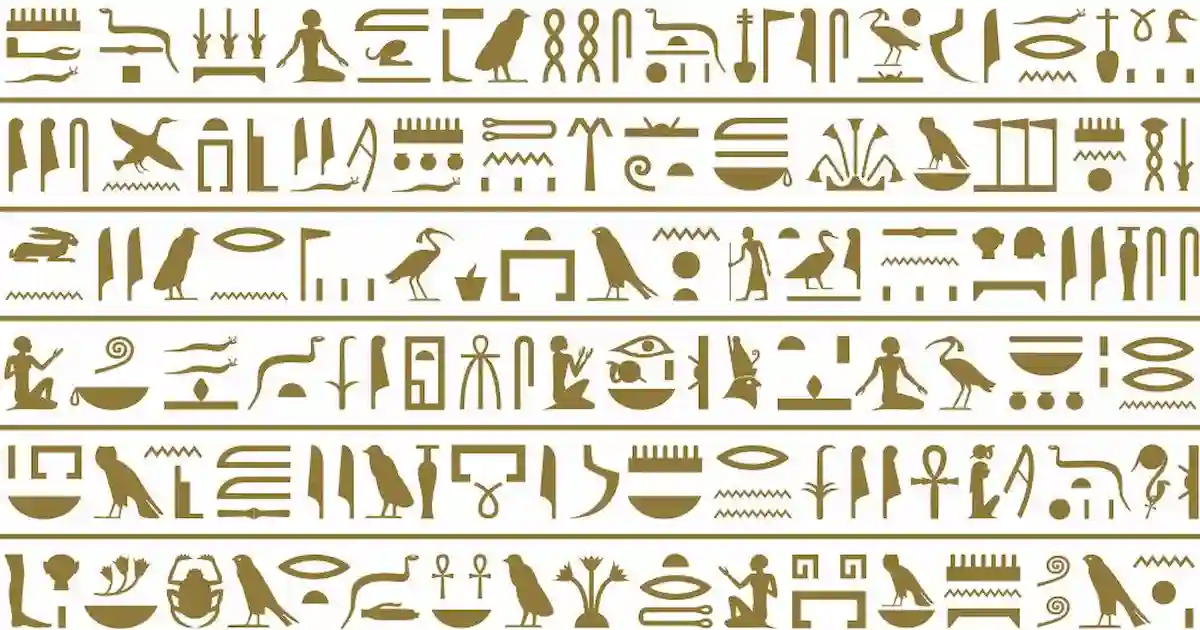
Hieroglyphics accompanied many of these images.
Rather than serving as simple captions, these inscriptions contained prayers, magical formulas, and personal achievements.
Those interested in learning more about Egyptian religion often find it helpful to explore our guide to Ancient Egyptian Gods, as many of the deities appearing in tomb paintings played central roles in the afterlife journey.
Statues, Sculptures, and Funerary Objects
While wall paintings captured stories and beliefs, statues and burial objects provided physical representations of protection and power.
Many travelers ask questions such as what is the sculpture above describe the sculpture and its historical significance or name the Egyptian sculpture above describe the symbolism of its different parts.
The answer often depends on the specific artifact, but Egyptian sculpture consistently reflected religious symbolism and eternal life.
Royal Sculptures and Symbolism
Statues served multiple purposes within tombs.
They could represent the deceased, a protective deity, or a spiritual substitute should the physical body become damaged.
Some common sculptures included:
Osiris Statues
Osiris, the god of the afterlife, frequently appeared wrapped in mummy-like garments.
These statues symbolized resurrection and rebirth.
Falcon Figures
Representing Horus, the falcon symbolized divine kingship and protection.
Sphinx Sculptures
Combining a lion's body with a human head, the sphinx represented strength, wisdom, and royal authority.
The symbolism of these sculptures was carefully designed.
Every posture, object, and facial expression communicated specific religious messages.
Treasures Buried with Pharaohs
The discovery of King Tutankhamun's tomb revealed just how elaborate Egyptian burials could be.
Among the objects commonly found inside royal tombs were:
Gold masks
Jewelry
Chariots
Furniture
Weapons
Cosmetics
Musical instruments
Religious amulets
These treasures were not buried merely to display wealth.
Egyptians believed the deceased would continue using these possessions in the next world.
One of the most famous examples is Tutankhamun's golden funerary mask, which remains one of the greatest masterpieces of ancient art ever discovered.
The remarkable preservation of such artifacts has transformed our understanding of ancient Egypt and continues to inspire visitors from around the world.
Tomb Decoration and the Legacy of the Pyramids
No discussion of Egyptian tombs would be complete without mentioning the pyramids.
Although later pharaohs preferred hidden rock-cut tombs, the pyramids remain the most recognizable funerary monuments ever constructed.
Compare and Contrast the Three Pyramids of Giza
The Giza Plateau contains three major pyramids built during Egypt's Fourth Dynasty.
The Great Pyramid of Khufu
The oldest and largest pyramid at Giza was built for Pharaoh Khufu.
Its immense scale continues to amaze architects and engineers today.
The Pyramid of Khafre
Slightly smaller than Khufu's pyramid, Khafre's monument appears taller because it sits on higher ground.
It is also associated with the famous Great Sphinx.
The Pyramid of Menkaure
The smallest of the three main pyramids belongs to Menkaure.
Although less massive, it demonstrates exceptional craftsmanship and refinement.
When visitors compare and contrast the three pyramids of Giza, they quickly notice differences in size, construction techniques, and surrounding temple complexes while recognizing their shared purpose as monumental royal tombs.
Label the Three Pyramids of Giza: Which Is the Largest?
A common educational question asks visitors to label the three pyramids of Giza and identify the largest.
The order from largest to smallest is:
Khufu (Great Pyramid)
Khafre
Menkaure
The Great Pyramid of Khufu originally stood approximately 146 meters (481 feet) high and remains one of humanity's most extraordinary engineering achievements.
Today, the Giza Pyramid Complex is recognized as a UNESCO World Heritage Site and attracts millions of visitors annually.
For travelers interested in exploring these iconic monuments firsthand, many Egypt Tour Packages combine visits to Giza with Luxor, Aswan, and the Valley of the Kings, providing a complete journey through Egypt's fascinating burial traditions.
What Egyptian Symbols Mean Today
Thousands of years after the pharaohs, Egyptian symbols continue to captivate people around the globe.
Top Ancient Egyptian Symbols With Meanings
Among the most popular symbols are:
Ankh – Life and immortality
Eye of Horus – Protection and healing
Scarab – Rebirth and transformation
Djed Pillar – Stability and strength
Was Scepter – Power and authority
Feather of Ma'at – Truth and justice
Uraeus Cobra – Royal protection
Shen Ring – Eternity
These symbols appear in jewelry, architecture, fashion, literature, and modern spiritual practices.
Egyptian Symbols and Their Meanings Explained
What makes Egyptian symbolism so enduring is its universal appeal.
Themes such as protection, renewal, wisdom, justice, and eternal life resonate across cultures and generations.
For modern travelers, understanding these symbols adds a deeper layer of appreciation when visiting temples, museums, and tombs throughout Egypt.
What might initially appear as decorative artwork becomes a sophisticated visual language carrying messages that have survived for more than 4,000 years.
Rather than viewing tomb decorations as relics of a lost civilization, visitors begin to see them as conversations across time—messages left behind by people who hoped their stories would never be forgotten.
What Items or Symbols Were Used to Decorate Tombs - FAQ
What items were commonly placed inside Egyptian tombs?
Ancient Egyptians buried jewelry, furniture, food offerings, statues, clothing, weapons, and religious amulets inside tombs.
These items were intended to support the deceased in the afterlife.
Why were Egyptian tombs covered with symbols?
Symbols provided protection, guidance, and spiritual power.
Egyptians believed these images could influence the afterlife and help the deceased achieve eternal existence.
What is the most important Egyptian symbol found in tombs?
The Ankh is among the most significant symbols because it represents eternal life.
However, the Eye of Horus, Scarab Beetle, and Djed Pillar were also widely used.
How do tomb paintings help historians today?
Tomb paintings reveal details about daily life, religion, clothing, agriculture, and social customs.
They serve as invaluable historical records of ancient Egyptian civilization.
Can tourists visit decorated tombs in Egypt today?
Yes. Visitors can explore many beautifully preserved tombs in Luxor's Valley of the Kings and other archaeological sites through specialized Egypt Tour Packages that focus on Egypt's ancient heritage.
Conclusion
Ancient Egyptian tombs were far more than burial chambers.
They were carefully designed gateways to eternity, filled with sacred symbols, magnificent artwork, protective sculptures, and treasured possessions intended to secure everlasting life.
From the Ankh and Eye of Horus to elaborate wall paintings and royal treasures, every decorative element carried profound meaning.
These remarkable creations continue to inspire travelers, historians, and archaeologists thousands of years after they were made.
For anyone planning a journey through Egypt, understanding What Items or Symbols Were Used to Decorate Tombs transforms every temple, pyramid, and tomb visit into a richer and more meaningful experience.
Explore our Egypt Tour Packages and discover firsthand the timeless stories carved into the heart of one of the world's greatest civilizations.